Range Rover’s first electric SUV arrives with 550 hp, 600 km range, and a promise: uncompromised luxury and off-road prowess, even without a combustion engine. Early tests reveal a vehicle that challenges expectations and attracts a new wave of buyers.
The V8 rumble is gone, but the Range Rover Electric doesn’t miss a beat. During a short test drive in the UK, the prototype made its point: this isn’t just a Range Rover with the engine swapped out. It’s proof the brand’s character can survive—and even thrive—in the electric age.
Range Rover’s engineers spent five years and filed more than 300 patents to make sure their first battery-powered SUV wouldn’t feel like a watered-down version. The result is a dual-motor, 550 hp machine that goes from 0 to 100 km/h in 4.5 seconds, with 850 Nm of torque and a 118.5 kWh battery. The numbers are impressive, but what stands out is how familiar it feels to drive. According to JLR, the battery uses a "double-stack" design with 344 prismatic cells, and each motor delivers 260 kW, for a combined output of up to 550 PS and 850 Nm.
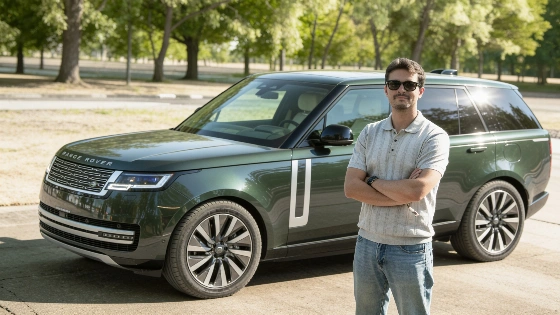
From the outside, you’d have to look twice to spot the difference. The closed black grille and aerodynamic 22-inch wheels are the main giveaways. The classic Range Rover shape is unchanged, available in both short and long wheelbase. Inside, it’s as plush as ever—spacious, carefully finished, and now with battery and range info on the digital displays. There’s no front trunk, but cabin space hasn’t been sacrificed.
The platform is shared with the combustion models, but the battery sits low, dropping the center of gravity by 88 mm. Off-road specs are still strong: approach and departure angles of 33.2º and 28.8º, 262 mm of ground clearance, and a wading depth of 900 mm thanks to adjustable suspension. It can tow up to 2,500 kg. The electric drivetrain’s control makes crawling over rocks or restarting on steep hills almost effortless, sending power exactly where it’s needed. According to the BBC, this is the first fully electric Range Rover, and its launch came about a year later than planned, reflecting JLR’s cautious rollout of its flagship EV.
Charging matches the rest of the package. The 800V system allows AC charging at 22 kW (a full charge in about seven hours) and DC fast charging up to 350 kW, taking the battery from 10% to 80% in 22 minutes. A 15-minute stop can add 320 km of range. Official WLTP figures claim up to 600 km on a charge, and Vehicle to Load is included, with Vehicle to Grid coming later. JLR notes that real-world range is closer to 333 miles (about 535 km), while the WLTP rating is up to 372 miles (about 600 km)—a difference often missed in early reviews.
Car and Driver
But maybe the most telling number isn’t technical. Of the 80,000 people on the waiting list, 70% are new to the Range Rover brand, and 20% already own an electric car. This isn’t just a technical shift—it’s a move to attract a new kind of luxury buyer, one who wants both environmental credentials and real capability.
Driving modes—Eco, Normal, Dynamic—change how the power comes on, but acceleration is tuned to feel more like a combustion engine than a typical EV’s instant surge. The cabin is 7 dB quieter than the V8, with active noise cancellation and optional synthetic sounds for those who prefer not to drive in silence. On pavement or off-road, the Range Rover Electric feels heavy, stable, and unfazed by the lack of pistons and exhaust.
Range Rover’s approach isn’t about radical change. Instead, the electric model aims to make combustion engines feel unnecessary, not outdated. After decades of setting the standard for luxury SUVs, Range Rover now faces a new challenge: convincing both loyalists and newcomers that electric power can add to its DNA, not take away from it. Early signs suggest it’s working. The Range Rover Electric doesn’t just tick a regulatory box—it sets a new standard for what a luxury SUV can be when tradition and technology meet. The real test will come when these vehicles hit public roads, but for now, Range Rover has managed to electrify its legend without losing what made it special.