Silicosis linked to artificial stone is rising sharply in Spain. Over €2.5 million in fines have been imposed on companies since 2019. Calls for a ban on artificial stone are growing as cases multiply.
Spain is facing a dramatic increase in silicosis cases, with official data showing an eightfold rise in diagnosed occupational illnesses linked to crystalline silica exposure over the past two decades. The disease, once mainly associated with mining, is now spreading rapidly among workers handling artificial stone, especially those installing kitchen countertops. Since 2019, authorities have imposed €2.5 million in fines on companies for failing to protect employees, reflecting a growing crisis in workplace safety.
According to the Ministry of Health's 2024 report, 630 cases of silicosis were reported in 2025, compared to just 81 in 2005. The surge is closely tied to the artificial stone sector, where the high silica content accelerates the disease's progression. The number of company sanctions has also soared, with 224 fines issued between 2019 and 2025. Annual penalties jumped from €49,300 in 2019 to €738,900 in 2025, highlighting intensified enforcement by the Labour Inspectorate.
Regions along the Mediterranean coast are particularly affected. Castellón leads with €306,200 in fines, followed by Murcia and Almería, the latter home to Cosentino, a major player in the artificial stone industry. While the Inspectorate does not disclose the names of sanctioned firms, Cosentino has been at the center of legal battles. In 2023, its president was convicted for failing to warn another company about the health risks of handling Silestone, though he was acquitted in a separate 2024 case involving workers in Bizkaia.
Industry responses have varied. Cosentino has reduced the silica content in its products from around 95% to as low as 10%, aiming to lower health risks. However, experts and affected workers argue that current preventive measures are insufficient. Alfredo Menéndez-Navarro, co-author of the Ministry's report, points out that the sharp rise in cases is not due to mining but to the manufacturing and processing of artificial stone. He and the National Association of Silicosis Sufferers (ANAES) are calling for a ban on artificial stone, citing evidence that even strict safety protocols do not eliminate the risk.
Not all stakeholders agree. The Spanish Federation of Marble Workers and the UGT FICA union in Andalusia oppose a ban, arguing that jobs depend on the sector and that stricter regulations and protective measures should be the focus. The legal limit for crystalline silica exposure was tightened in 2022 to 0.05 mg/m³, stricter than the EU standard, but critics say enforcement often comes too late, after workers have already been exposed.
Castellón's high number of fines is no surprise to local union representatives, who note the prevalence of marble workshops and artificial stone processing in the area. They also criticize mutual insurance companies for making it difficult to recognize silicosis as an occupational disease and accuse employers of neglecting health surveillance. The slow adaptation of laws and company practices is drawing comparisons to the asbestos crisis, with some cases of silicosis still going unrecognized.
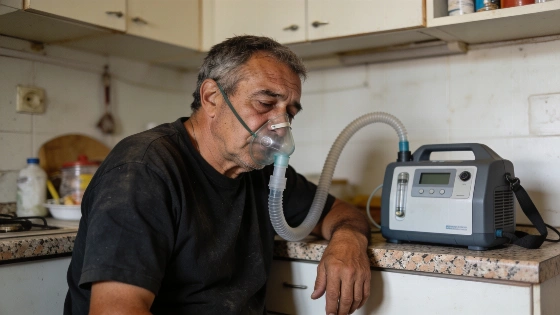
Calls for tougher legislation continue, as many affected workers describe severe limitations in daily life, such as needing portable oxygen for simple activities. The debate over banning artificial stone is intensifying, especially as Australia has already taken that step and California is moving in the same direction. Meanwhile, the Spanish government faces pressure to act decisively, as the health and livelihoods of thousands remain at stake. The issue of workplace safety and regulatory enforcement has also been a focus in other sectors, as seen in recent changes within the Mossos d'Esquadra leadership in Barcelona, detailed in this report on police leadership changes.
Silicosis is a progressive lung disease caused by inhaling fine silica dust, leading to irreversible respiratory damage. Artificial stone, widely used in modern kitchens, contains much higher levels of silica than natural stone, making it particularly hazardous when cut or polished without adequate protection. Spain's experience mirrors global trends, with rising awareness and regulatory action in several countries. The ongoing debate centers on whether improved safety measures are enough, or if a full ban on artificial stone is the only way to halt the epidemic.