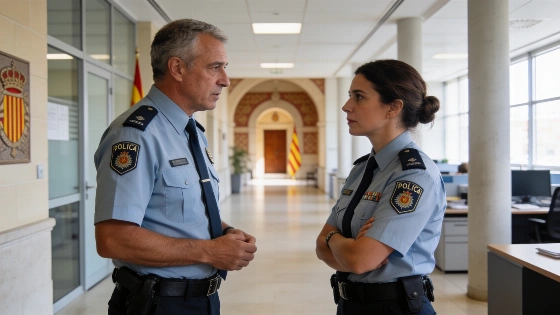
The Mossos d'Esquadra will see a new chief this autumn as Miquel Esquius retires. The appointment, led by Interior Minister Núria Parlon, comes after months of internal disputes and public controversy.
The Mossos d'Esquadra are preparing for a significant leadership transition as chief commissioner Miquel Esquius is set to retire in October. The process to appoint his successor, overseen by Interior Minister Núria Parlon, is unfolding against a backdrop of recent internal disputes and public scrutiny. The new chief must also secure the approval of police director Josep Lluis Trapero, whose relationship with Parlon has been tested by recent controversies.
Sources within the force describe the upcoming change as complex, with the impact likely to extend beyond Esquius’s replacement to other senior positions. The decision, which is expected to be finalized in the coming weeks, is seen as a test of coordination between Parlon and Trapero, especially after a turbulent spring for the Interior Department. Parlon has stated that the transition will be handled calmly, though she has not confirmed speculation about appointing a woman to the top post.
Esquius, who previously led the Mossos in 2018, was brought back under the new PSC government, which fulfilled its pledge to name Trapero as director of the Catalan police. The current leadership team also includes commissioner Josep Maria Estela, commissioner Alicia Moriana, and superintendent Toni Rodríguez. With Esquius’s departure, several roles within the command structure may shift, adding to the complexity of the transition.
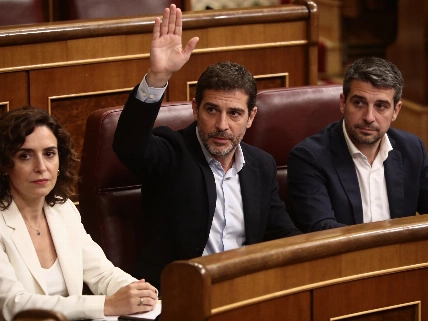
Recent months have seen heightened tensions within the Interior Department. The infiltration of Mossos officers into a teachers’ assembly sparked political backlash and led Parlon to issue a public apology in parliament. Both Parlon and Trapero faced calls for censure following the incident, which also resulted in formal complaints. Another flashpoint involved a controversial riot police operation during a royal visit to Montserrat, where conflicting accounts over an alleged assault led to further scrutiny and a parliamentary hearing.
Despite these challenges, Parlon has publicly defended Trapero’s performance, highlighting his experience and deep knowledge of security matters. She has also praised Esquius’s leadership, emphasizing the need for stability during the transition. Trapero, for his part, has described his working relationship with Parlon as collaborative, downplaying predictions of conflict.
The Mossos have experienced frequent leadership changes, with eight chiefs in nine years, some serving multiple terms. This turnover has left lingering internal divisions, though Esquius’s conciliatory approach is credited with improving the atmosphere. Some officers note that Trapero’s detailed management style, shaped by his previous operational role, has shifted the balance of authority within the force, sometimes sidelining the second tier of command.
Looking ahead, the force is awaiting a long-delayed call for new commissioner appointments, with some hoping that promoting younger candidates could help resolve longstanding internal disputes. Others believe the delay reflects the difficulty of selecting candidates, especially with gender balance considerations. Senior officers stress the importance of mixed, balanced teams to ensure progress and stability.
The leadership transition comes as the Mossos continue to face operational challenges, including rising street violence and their involvement in labor disputes. The force’s evolving structure and the dynamics between its top officials remain under close watch, especially as Barcelona intensifies its focus on public safety, as seen in recent measures like the installation of hundreds of new surveillance cameras in key city areas (detailed here).
For context, the Mossos d'Esquadra serve as Catalonia’s autonomous police force, responsible for public order, criminal investigations, and supporting local authorities. Leadership changes at the top often ripple through the organization, affecting operational priorities and internal morale. The current transition is being closely monitored by both political leaders and rank-and-file officers, as stability and effective coordination remain critical for the force’s future performance.