Architect Andrés Degar claims Spanish homes are designed for generations, citing concrete and brick as core strengths. Official data, however, shows no single construction method is universally superior. The debate reveals how materials, climate, and design shape housing longevity.
When architect and content creator Andrés Degar posted a TikTok comparing Spanish and American homes, his message was direct: “Spanish houses are built to last generations.” The video, highlighted by Infobae, quickly drew attention to the materials and methods that define housing on both sides of the Atlantic.
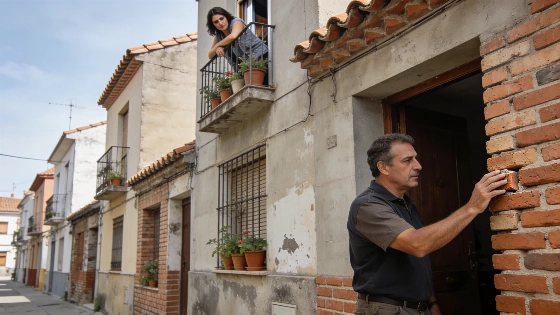
Degar points to concrete and brick as the backbone of Spanish construction, arguing these mineral-based materials offer a sense of permanence and resilience. He notes that such structures not only feel solid but also respond more slowly to external heat, thanks to their thermal inertia. This property, he explains, helps buffer rapid temperature swings, a feature valued in Spain’s varied climate.
Material Choices and Longevity
In Spain, concrete, brick, stone, stucco, and tile are common in residential buildings, shaping both the look and the lifespan of urban architecture. Degar links these choices to lower maintenance needs and greater adaptability for renovations. However, as official guidelines remind, true durability depends on more than just heavy walls. Project design, construction quality, moisture exposure, and ongoing upkeep all play crucial roles. Spain’s building code, for example, requires measures to prevent condensation and protect thermal performance, underscoring that robust materials alone are not enough.
Thermal Inertia: Benefit with Limits
Degar also highlights the thermal inertia of Spanish homes, where concrete and brick absorb and release heat slowly. This can help maintain comfort during hot spells, but as Spain’s technical code makes clear, energy efficiency is a broader equation. Factors like insulation, solar protection, airtightness, window quality, and thermal bridges all influence a home’s performance. Two brick houses can have very different energy profiles depending on these details. Recent EU regulations are pushing Spanish housing toward even stricter energy standards, making holistic design more important than ever.
Wood Dominates New US Homes
In contrast, most new single-family homes in the United States are built with wood framing. According to the US Census Bureau, 96% of owner-built homes completed in 2025 used wood, while only 2% relied on concrete. This doesn’t mean wood is inherently less efficient—US Department of Energy guidelines show that with proper insulation and air sealing, wood-framed homes can perform well in diverse climates. Innovations like 3D-printed concrete homes are also emerging, but wood remains the norm for much of the American market.
Pests, Layouts, and Climate
Degar argues that avoiding wood as a primary structure helps Spanish homes sidestep certain pests, especially termites. The US Environmental Protection Agency, however, notes that risks can be managed through concrete foundations, proper drainage, and regular inspections. Even homes built from brick or concrete are not immune to pests, as wood is often present in roofs, windows, or furniture.
Beyond materials, Degar observes that Spanish homes often feature patios, terraces, and balconies, fostering a strong connection to outdoor spaces. American homes, by contrast, tend to favor open-plan interiors, large living rooms, integrated kitchens, garages, and basements. The median size of a new US single-family home in 2025 was about 199 square meters, reflecting different priorities in space and layout. Ultimately, climate, plot size, family habits, regulations, and budget all shape what makes a home suitable in each country.
While Degar’s comparison highlights real contrasts in construction culture, official data and building codes show that no single system is universally superior. The best results come from matching materials and methods to local needs, climate, and long-term maintenance. As energy standards evolve and new technologies emerge, the debate over what makes a home truly durable is likely to continue.