More than 80 Spanish teachers in Sardinia took part in a high-stakes training event led by Castilla y León. The goal: make the region the top spot for Spanish language learning and bring Italian students to its universities.
Spanish language recruiters landed in Cagliari with a clear goal. Over 80 Spanish teachers from Sardinia gathered for a day that broke the usual mold of teacher training. The Junta de Castilla y León, through its Consejería de Cultura, Turismo y Deporte, set up a campaign to put the region at the top for Spanish language study. They want more Italian students in their universities and language schools.
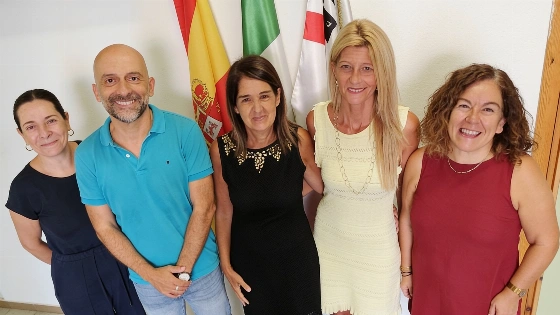
Rebeca Arroyo, director general of the Fundación Siglo para el Turismo y las Artes, led the charge. She brought a team from universities and Spanish schools in Salamanca, Burgos, and Valladolid, plus officials from the Ayuntamiento de Salamanca. Their aim was simple. Outdo rival destinations and secure future student groups from Italy. Nearly 900,000 secondary students in Italy already pick Spanish as their foreign language.
According to Europa Press, the Cagliari event featured nine workshops and was expected to generate over 700 professional meetings between Spanish and Italian participants.
This was no routine event. Nine hands-on workshops covered new teaching methods, using music in class, emotional skills, and intercultural lessons through advertising. On the business side, a networking area buzzed with activity. Organizers expected more than 700 professional meetings between Spanish institutions and Italian educators. Each meeting could open a new path for student recruitment.
Salamanca took center stage. The city, known for Spanish language tourism, set up its own exhibition space. Teachers got details on academic resources and language immersion programs. A scholarship draw at the end added some excitement. Salamanca’s presence was no accident. Italy is one of its main sources of international students. With Spanish growing fast in Italian schools, the fight for students is heating up.
The campaign didn’t stop at the main event. The day before, Arroyo and her team visited the Liceo Scientifico Statale 'Pitagora', which hosts Cagliari’s international Spanish section. This bilingual program, run with the Spanish Embassy, teaches subjects like Language, Literature, Geography, and History in Spanish. Arroyo and Antonio Jesús Sanz Carmona, technical advisor to the Spanish Education Office in Italy, met with school leaders. They talked about expanding exchanges and making sure Sardinian students see Castilla y León as their next step.
La Razón reports that the Cagliari initiative is part of a broader European campaign by Castilla y León, which began in Brussels and intensified in September 2026. For Sardinia, the same group of over 80 teachers and nine institutions from Castilla y León were involved, highlighting the region's commitment to expanding Spanish language education across Europe.
Education was the focus, but money and reputation were on the line. Universities and language schools in Castilla y León want a bigger share of the international student market. Every new group from Italy means more tuition and a boost for local economies. It also means more cultural influence. The Cagliari push shows a new approach. Spanish regions are not waiting for students to come. They are going out to get them. Salamanca is leading this charge.
This kind of outreach stands apart from other recent Spanish efforts abroad. Some have been marred by controversy, like the reported earlier expulsion of a Spanish cycling coach at a world championship. Here, the story is about planning and long-term strategy, not damage control.
Italian schools want more Spanish. That much is clear. For Castilla y León, the challenge is to turn teacher interest into student enrollments. The region’s status as a global reference for Spanish language learning depends on it. The scale of the Cagliari event and the resources behind it show they are not leaving things to chance. This is how regional governments can shape international education. They show up, make their case, and tell students: the future of Spanish starts here.