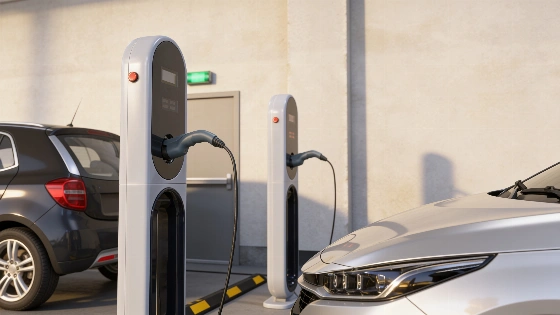
Installing an electric car charger in a Spanish apartment garage is now easier than ever. Owners no longer need neighbor approval, but strict rules on safety, costs, and written notice still apply. Here’s what the law demands.
If you own an apartment in Spain, you no longer need your neighbors’ approval to install a private electric car charger in your garage space. The law is clear: as long as the charger is for your own use, the community can’t block the project. Still, there are rules and requirements that can trip up anyone who isn’t prepared.
Article 17.5 of the Ley de Propiedad Horizontal guarantees the right to install a private charging point. But you can’t skip the paperwork. Before starting any work, you must notify the building’s president or administrator in writing—by email or signed letter. This isn’t just a formality; it’s the only way to avoid future arguments with neighbors or the community board.
A 2026 Supreme Court ruling in Spain reaffirmed that written notification, not a community vote, is sufficient for private EV charger installation—unless the project causes disproportionate harm to other owners.
All costs fall to the owner. You pay for the charger, the wiring, the meter, and the electricity your car uses. Most people connect the charger to their home’s meter, so no one else pays for their charging. Some choose a second meter, but that makes the installation more expensive.
Safety rules are strict. Only certified installers can do the work, and they must follow technical regulations to protect both the user and the building. Running the wiring is often the hardest part—installers have to avoid blocking walkways, vents, or access points, and sometimes need to route cables along walls or ceilings to keep things tidy. These extra steps can raise the final price.
Who owns the parking space matters. If you rent your spot, only the property owner can approve the installation. This protects landlords from unauthorized changes and keeps tenants from paying for upgrades they can’t legally make.
According to recent reports from leading Spanish media, the MOVES III subsidy program is no longer the main support mechanism for home EV chargers. As of 2026, direct state subsidies for private installations are limited, but a 15% IRPF tax deduction remains available until the end of 2026, and new programs like Auto+ are under discussion.
Cost is still a hurdle. Even as demand rises and prices drop, most installations start at 900 euros in 2026. Subsidies like Plan MOVES III and Plan Cambia 360 help, but the average bill is still high for many households.
If you’re planning to install a charger, the basics are straightforward: notify the community, hire a qualified installer, connect the charger to your own meter, and respect shared spaces. As reported earlier, charging points have sparked disputes in some buildings, but the current law leaves little room for confusion about private installations.
Spain’s approach is practical: it removes unnecessary barriers for electric vehicle owners but keeps strict standards for safety and responsibility. The law gives owners the power to modernize their garages without endless bureaucracy, but it also expects them to follow the rules. For anyone thinking about switching to an electric car at home, the steps are clear—follow the process, and the law is on your side.