After King Harald V’s funeral in Oslo, Felipe VI and Letizia returned to Spain, leaving Queen Sofía as the only Spanish royal at the post-funeral reception. Their absence has prompted questions about the reasons behind the split royal presence.
The Spanish royal family's visit to Oslo for King Harald V's funeral took an unexpected turn when Felipe VI and Letizia left Norway right after the burial, skipping the reception hosted by the Norwegian royals. Only Queen Sofía stayed for the gathering, though she was not seen in the official greetings or on the televised broadcast, despite remaining until the end.
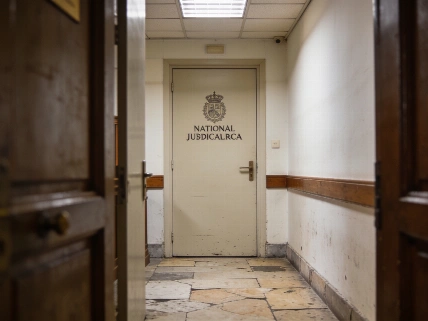
The early departure of Felipe VI and Letizia was not simply a matter of protocol. The Spanish royal household confirmed that the couple flew back to Spain directly from Oslo-Gardermoen Air Base after the funeral. Their official explanation cited the king's obligation to preside over the opening of the 2026/2027 judicial year the next day, pointing to a tight schedule. According to Reuters and other independent sources, both Felipe VI and Letizia attended the state funeral on September 9, 2026, and walked in the procession behind the casket.
"The reception at the Royal Palace in Oslo was a separate event scheduled after the funeral ceremony and burial, with attendance by foreign royal guests and heads of state."
— Reuters
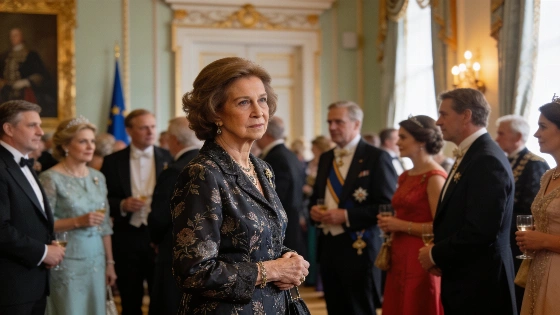
Queen Sofía's decision to stay placed her among the few senior royals who attended the private reception at the Royal Palace. Official accounts say she greeted the Norwegian monarchs and mingled with other guests in the Salón de los Ministros before returning to Spain. Still, her absence from the public handshake line—broadcast live by NRK—stood out, especially as other royal guests were shown greeting the hosts on camera. Spanish media had previously confirmed that Queen Sofía would join Felipe VI and Letizia in Oslo, which drew more attention to her presence at the reception.
No footage or photographs of Queen Sofía at the reception have surfaced, fueling speculation about her role and visibility at the event. The Spanish royal household did not clarify why she was not seen in the official greetings, nor did it address why Felipe VI and Letizia skipped the reception entirely. The absence of Juan Carlos I, while less surprising, also highlighted the changing approach to public appearances by the Spanish monarchy. Independent reports, including Royal Watcher Blog, confirm that the reception took place later the same day, after the cathedral ceremony and burial.
The Spanish royals were not the only notable absentees from the reception. Abdalá and Rania of Jordan and Christian of Denmark were also missing from the event's public moments, as seen in the live broadcast. This pattern of selective attendance among Europe's royal families has become more common in recent years, as reported earlier.
"In available independent sources, there is no official public explanation as to why Felipe VI and Letizia did not remain for the later palace reception; coverage frames their absence as a matter of protocol and scheduling, not as a confirmed scandal."
— Royal Watcher Blog
For Spain, the episode highlights the balance between tradition, protocol, and the practical demands of royal duty. The decision to prioritize domestic obligations over extended participation in international ceremonies may signal a shift toward a more streamlined, duty-focused monarchy. At the same time, the lack of clarity about Queen Sofía's low profile at the reception leaves room for speculation and suggests a cautious approach to public exposure. In an era where every royal appearance is closely watched, the Spanish monarchy's selective visibility abroad seems less about oversight and more about careful image management. Sometimes, absence draws as much attention as presence.