A bid of €188,325.87 was too low for the Spanish Tax Agency to accept for the former San Claudio ceramics factory in Oviedo, so it called off the auction. The agency had set the property's minimum value at €1.83 million, leaving the historic site's fate unresolved for now.
The auction drew interest from private investors and the Oviedo City Council, but the highest bid came from a local private investor. The offer represented just over 10% of the property's appraised value and fell well below the €916,629.36 threshold, set at 50% of the appraisal, at which the agency would typically consider awarding the asset. Under Spanish auction rules, bids below that threshold can only be accepted if they are deemed sufficient and in the public interest. This bid did not meet those conditions. Spain’s Ministry of Finance classifies auctions of state property as a formal patrimonial procedure, with the Delegaciones de Economía y Hacienda handling participation documents and related administration.
Industrial Site in Decline
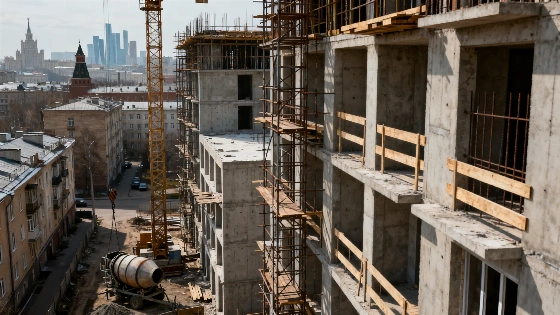
The San Claudio complex comprises two adjoining plots: one measuring 23,870 square meters, with industrial buildings and annexes, and another measuring 14,490 square meters. Together, they cover nearly 38,400 square meters in a part of Oviedo with deep industrial roots. Official documents describe the buildings as abandoned and in poor condition. A municipal order requires urgent repairs estimated at €99,000. Any sale would also be subject to Spain's standard 21% VAT, a impressive consideration for potential buyers.
Heritage Status and Restrictions
Founded in Asturias in 1901 by industrialist Senén María Ceñal, the San Claudio factory produced fine tableware influenced by English models and became a symbol of the region’s industrial past. It was declared a Bien de Interés Cultural (Asset of Cultural Interest) in 2009, but that protection was revoked in 2012. The factory ceased operations at its original site in 2009, though the San Claudio brand continued to market tableware afterward. The complex is a former manufacturing site, not an active ceramics plant. It remains listed in the Asturias Cultural Heritage Inventory, so any redevelopment would face preservation requirements.
Next Steps Remain Unclear
With the auction closed and no sale completed, the Tax Agency must decide whether to relaunch the process or explore alternatives. Any further sale of state-controlled property would proceed through the relevant public-property auction channels. The site's future will hinge on whether a sale can be economically viable and safe while protecting its historical value. For now, the landmark remains in limbo, awaiting a decision that could shape the next chapter of Oviedo's industrial heritage.
As Talent24h reported, the case highlights the challenges of repurposing Spain's historic industrial sites, where market realities often collide with preservation demands.