Spain’s top court has sidelined over 400,000 new citizens from the ballot just weeks before the election. Nearly 70 percent of Spaniards now back suspending these fast-tracked naturalizations, exposing a fierce fight over who gets a say in the country’s future.
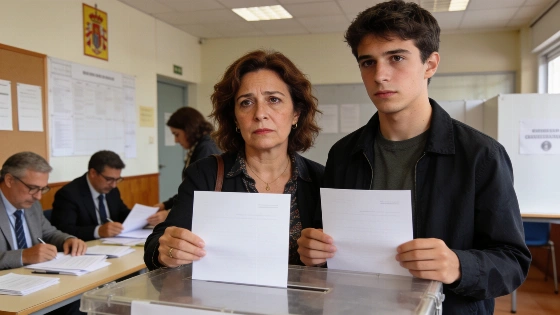
On September 8, Spain’s Supreme Court upended the election run-up by suspending voting rights for more than 400,000 people naturalized under the 'ley de nietos'. The move lands just ahead of the November 29 general election, throwing the eligibility of a massive new bloc of voters into question.
The ruling targets those who gained citizenship through Ley 20/2022 de Memoria Democrática. By blocking their entry into the Censo Electoral de Residentes Ausentes (CERA), the court has sidelined applicants whose status was fast-tracked by a Justice Ministry order. That order presumed exile for anyone who left Spain between 1936 and 1955, and stretched the window to 1978 for some, triggering a flood of applications from descendants of exiles.
По данным официального текста Ley 20/2022 de Memoria Democrática, положения о гражданстве для потомков изгнанников требуют отдельного разъяснения Министерства юстиции для практического применения.
Public opinion has swung hard against the rapid expansion. A GAD3 poll for ABC, conducted October 6–8, found nearly 68 percent of Spaniards want all 'ley de nietos' naturalizations frozen and reviewed. Only 21 percent oppose a freeze. Even among PSOE voters, half support the suspension. Sumar supporters split, with 43 percent in favor. The measure also draws support from Catalan, Basque, and Galician nationalists, while Partido Popular and Vox voters push back.
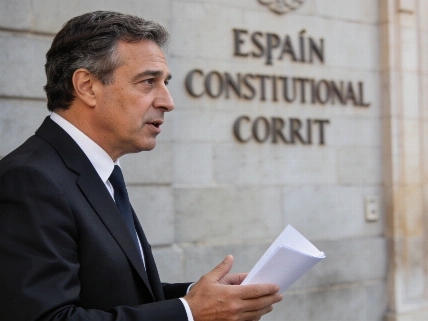
Consulates have logged over 2.2 million applications, with nearly 200,000 more inside Spain. The Supreme Court’s intervention has left the government and Fiscalía exposed. The Justice Ministry’s shortcut now faces legal scrutiny. Critics argue that an administrative order should not reshape the Memoria law’s reach, especially on voting rights.
With the election closing in, the Supreme Court faces pressure to clarify who can vote. The electoral roll, closed August 1, predates the court’s order, leaving thousands in limbo. The State Attorney has pressed the court to let these new citizens vote, citing the impossibility of verifying each case before election day. The Fiscalía has echoed this, asking that affected individuals be allowed to submit their own arguments.
Согласно данным Министерства юстиции Испании, официальная статистика по числу поданных заявлений и выданных свидетельств о гражданстве должна публиковаться отдельно для консульств и для территории Испании, что важно для оценки масштабов процесса натурализации.
The court has set a 48-hour window for legal challenges before making a final call on voter registration. As of now, no definitive ruling has landed.
The 'ley de nietos' fight is playing out as Spain’s institutions face scrutiny. Other high-profile cases, such as the recent jury selection for Begoña Gómez, have put the justice system under the microscope. Both episodes show how fragile institutional trust has become as the rules of citizenship and participation come under strain.
With the election days away, the fate of hundreds of thousands of new citizens and the credibility of the electoral process remain unresolved. Public support for a pause and review of mass naturalizations points to deep unease over the speed and oversight of these changes. The Supreme Court’s next move will decide who gets a voice at the polls.