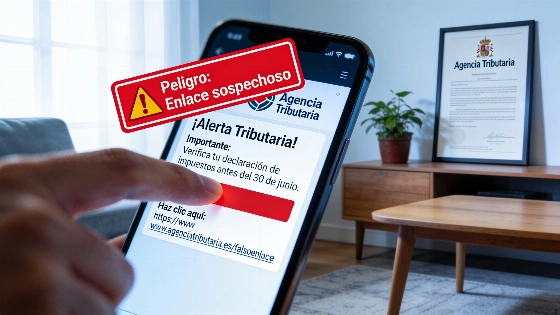
A wave of fraudulent SMS messages is impersonating the Agencia Tributaria. The fake alerts claim tax declarations have been processed and urge users to click suspicious links. Authorities stress they never request confidential data by SMS.
Spain's Agencia Tributaria has issued a public warning after a spike in fraudulent SMS messages falsely claiming to be from the tax authority. The messages inform recipients that “su declaración ha sido tramitada por los órganos de gestión tributaria” and include a link to a website that mimics the official agency. This campaign, detected during the ongoing 2026 tax season, is designed to trick users into sharing sensitive information.
The Agencia Tributaria has clarified on its official site that it never requests confidential, financial, or personal data—such as bank account or card numbers—via SMS or email. Attachments with invoice details or other sensitive documents are also never sent through these channels. The agency urges anyone who receives such messages to avoid clicking on any links and to verify the status of their tax affairs only through the official Sede Electrónica.
These fraudulent attempts are not new. Cybercriminals have repeatedly exploited the annual tax campaign to deceive taxpayers, often using urgent language and requests for personal data to create a sense of alarm. According to the agency, warning signs include messages that pressure for immediate action, ask for confidential information, or come from senders that do not match official contacts.
Maldita.es has previously reported on similar scams, including emails and SMS that promise refunds or notify of supposed issues with tax returns. The pattern remains consistent: urgency, requests for sensitive data, and links to fake websites. In a related context, recent legal disputes involving public officials have also drawn attention to the risks of misinformation and impersonation, as seen in the case where Compromís considered legal action against Vicent Mompó over disputed testimony.
For context, phishing campaigns targeting tax authorities are a recurring issue across Europe, especially during tax filing periods. The Agencia Tributaria's advice to use only official channels is echoed by cybersecurity experts, who recommend checking the sender's details and avoiding any unsolicited requests for personal information. Spain's tax agency maintains a dedicated section on its website to inform citizens about current scams and how to report them. Staying vigilant and informed is essential to avoid falling victim to these increasingly sophisticated fraud attempts.