At least 34 people injured in the collision remain in hospital, including two in intensive care in Madrid. Twenty-two are being treated in Castilla-La Mancha and 12 in Madrid. The 28 October collision involved a Renfe AVE train and an Iryo train on the Madrid-Seville high-speed line near Urda, in Toledo province. EFE reported that 69 people had died by 31 October, making it Spain’s deadliest high-speed rail accident.
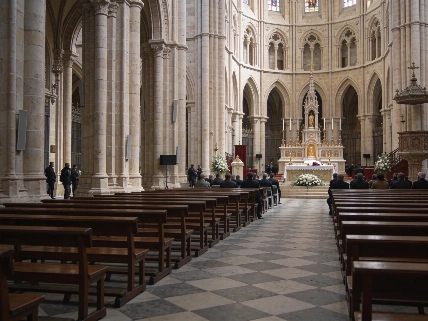
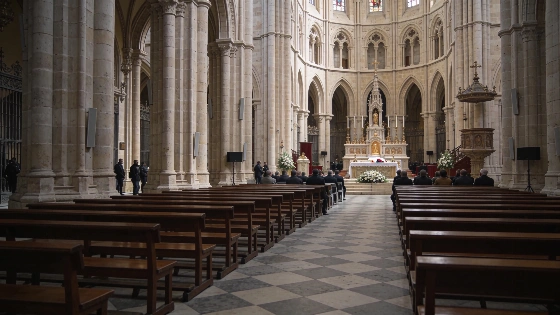
Toledo Archbishop Francisco Cerro Chaves announced on 4 November that the cathedral service for the 69 people killed in the crash will take place at 19:00 on 12 November. He said the whole Archdiocese of Toledo would take part to pray for the victims and support their families. He described the service as an occasion to accompany relatives and remember those killed.
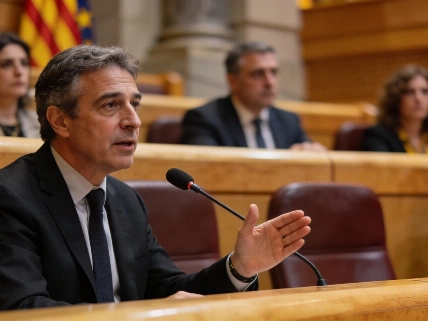
The five bishops of Castilla-La Mancha and Luis Javier Argüello, president of the Spanish Episcopal Conference, are expected to attend. TVE reported that the King and Queen will also be there, along with regional president Emiliano García-Page. The Government has yet to confirm whether the service will be designated a state funeral.
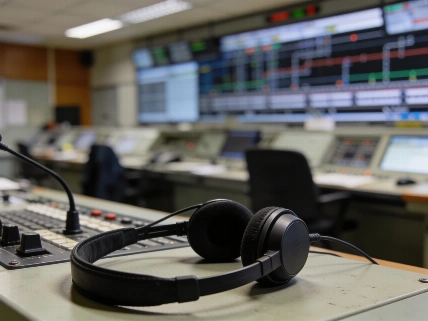
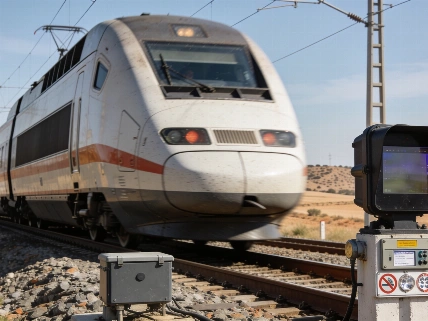
The crash involved a Renfe AVE and an Iryo train, which was stationary ahead on the line. Investigators are examining the failure of the LZB automatic train-protection system and the control centre’s decision to allow the AVE to resume movement while the Iryo remained stopped. A report citing control-room audio said the AVE was cleared to travel at normal running speed. Investigators are reviewing the sequence of instructions and warnings, and no final cause or finding of fault has been issued. Spain’s railway accident investigation body opened case 146/2026 and classified the collision as a serious accident. The AVE’s impact speed was estimated at about 160–200 km/h. Train recorders were secured by the Guardia Civil, with data to be downloaded under conditions set by the investigating court in Orgaz. The technical inquiry is expected, in principle, to take a year to produce its final report. Guardia Civil officers completed a final search of the area on Tuesday for remains and evidence relevant to the investigation, which continues. The final two Iryo carriages had been removed from the tracks, as described in an earlier site update.
Marta Gómez, director of Toledo’s Casa Diocesana de Ejercicios 'El Buen Pastor', said about 400 people had stayed overnight there and nearly 1,000 had received assistance during the week. She thanked volunteers and institutions for their help.