Torrevieja is launching a free, year-long cardiac rehabilitation program for residents discharged from hospital. Cardiovascular disease remains the leading cause of death in Spain: in 2024, nearly one in four deaths were linked to heart and circulatory problems. The Valencian Community alone recorded more than 13,000 deaths and over 42,000 new cases last year.
Starting in October, the Ayuntamiento and Hospital Universitario de Torrevieja will run a structured Phase III cardiac rehabilitation service. It is designed to support patients during the critical period after hospital care, when many lose momentum and face a higher risk of relapse. The European Society of Cardiology recognizes community-based cardiac rehabilitation as a basic part of recovery, and more European countries are adopting this approach.
In Spain, physiotherapy and cardiac rehabilitation have been shown to reduce hospital readmissions by up to 75% for patients after cardiovascular events, information from Europa Press and the Colegio Profesional de Fisioterapeutas de la Comunidad de Madrid.
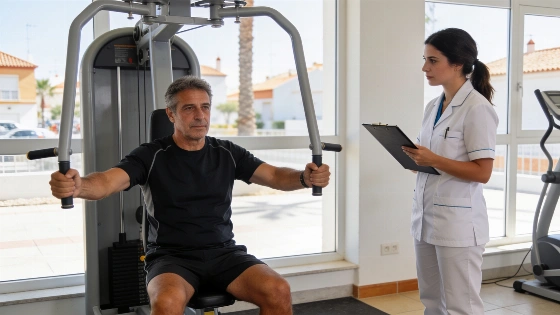
The program covers the community phase, following initial hospital recovery (Phase I) and supervised outpatient sessions (Phase II). For twelve months, patients will have free access to municipal sports facilities, including the gym and Pilates classes, as well as outdoor cycling and the swimming pool. Each plan is tailored to the individual and follows recommendations from hospital cardiologists and rehabilitation specialists. Routines are individualized, with safety and medical oversight required.
To join, patients must have completed the first two phases of cardiac rehabilitation and provide medical documentation from the hospital’s cardiology and rehabilitation departments. Applications are accepted in person at the Health Promotion office on Calle Clemente Gosálvez or online through the city’s electronic portal, under the Health section.
The program comes as Spanish health authorities face growing pressure to improve chronic disease care outside hospitals. Ischaemic heart disease alone caused 26,851 deaths nationwide in 2024. Torrevieja’s approach stands out amid recent controversies elsewhere, including a Madrid hospital lowering patient priority to meet surgery quotas, a move that led to delays and internal disputes.
In September 2026, the European Parliament placed cardiovascular health high on its agenda, emphasizing prevention and rehabilitation alongside long-term patient management across EU member states. The move reflects growing recognition that cardiac care must extend beyond hospital discharge into community-based support.
By combining city resources with hospital expertise, Torrevieja is prioritizing prevention over crisis response. Its model could influence other regions facing similar health challenges. The program’s effect on repeat heart problems and emergency care use is not yet known. It also reflects the need for public health policy to follow patients into their daily routines if Spain is to change the statistics.