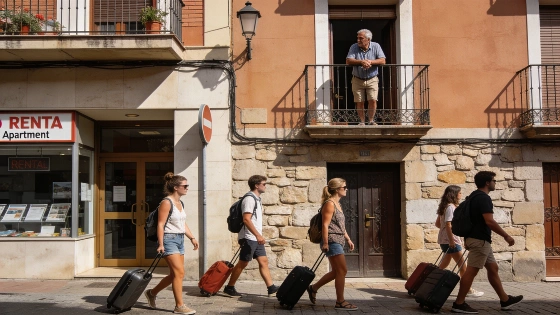
The discussion over mass tourism in Spain is shifting. Tourists themselves are demanding clearer rules and fairer practices. The focus is now on regulation, not just personal choices.
The debate over mass tourism in Spain has taken a new turn as more travelers demand stricter regulation of the sector. While critics of mass tourism are often accused of hypocrisy for traveling themselves, the real issue is shifting toward the need for clear rules and responsible practices. The discussion is no longer about individual consistency, but about the impact of unchecked tourism on cities and residents.
Arguments that focus on whether critics themselves travel miss the point, according to recent analysis. The core concern is not personal behavior, but the consequences of mass tourism for local communities. Rising housing costs, the transformation of neighborhoods, and the displacement of residents have become central topics. The distinction between ordinary tourism and mass tourism is now at the heart of the conversation, with many pointing out that the two are not the same. While tourism once contributed positively to urban life, its current scale is seen as a threat to the social fabric of many Spanish cities.
Tourists are increasingly aware of these issues and are calling for measures such as municipal taxes, bans on illegal rentals, and guarantees of fair labor conditions in the sector. Many want assurance that their visits do not contribute to the expulsion of locals or the degradation of urban environments. This shift in attitude is reflected in the growing demand for sustainable and regulated tourism, where visitors can participate in local economies without causing harm.
Recent events in Spain highlight the tension between economic benefits and social costs. In some regions, protests have erupted over the proliferation of short-term rentals and the strain on public services. The situation is reminiscent of other European cities facing similar challenges. As noted in a related report on urban pressures, the transformation of neighborhoods under external pressures can lead to lasting changes in daily life and community dynamics.
Experts emphasize that the responsibility for regulating tourism should not fall solely on local authorities. Tourists themselves, as consumers, have a role in demanding transparency and accountability from the industry. The expectation is that responsible tourism will become the norm, with clear rules to protect both visitors and residents. As Spain continues to attract millions of tourists each year, the challenge will be to balance economic interests with the need to preserve the character and livability of its cities.
Spain remains one of the world's top tourist destinations, with cities like Barcelona, Madrid, and Seville drawing large numbers of international visitors. The tourism sector is a major contributor to the national economy, but its rapid growth has sparked debates over housing, public space, and local identity. Municipalities are experimenting with new regulations, including tourist taxes and limits on short-term rentals, to address these concerns. The outcome of these efforts may set a precedent for other countries facing similar dilemmas. The ongoing discussion signals a broader shift toward more sustainable and equitable tourism practices in Spain and beyond.