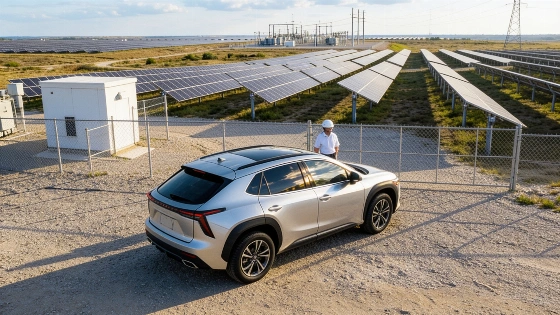
Toyota has signed a 15-year agreement to source over 115 MW of solar power from Ferrovial’s Milano Solar plant in Texas. The move underpins Toyota’s push to match its US electricity use with renewables as it ramps up electric vehicle production.
Ferrovial’s Milano Solar plant in Texas will soon power a big part of Toyota’s US operations. The Japanese automaker has signed a 15-year deal for more than 115 MW of solar energy from the new facility. This contract is meant to give Toyota a steady supply of renewable power as it shifts toward electric vehicles.
The Milano Solar project is scheduled to go live in September 2027. It will rise in Milam County and is planned to deliver nearly 204 MW of installed capacity. Ferrovial, a Spanish infrastructure company, will handle everything from development to long-term operation. The plant is designed to generate about 450 GWh of electricity each year. That’s enough for roughly 43,000 US homes.
Toyota will receive renewable energy certificates (RECs) for the contracted volume, rather than a direct supply of electricity to its facilities, as confirmed by the official Constellation and Toyota announcement.
Toyota won’t take all the power. The deal, arranged through energy broker Constellation, secures just over half the plant’s output for Toyota Motor North America. That means about 246,000 MWh of renewable energy per year. Toyota will get renewable energy certificates for the full contract period. This setup lets Toyota match its electricity use with new renewable generation, even if the actual power never reaches its buildings. Renewable Energy Magazine reports that this is a common approach for big corporate buyers in Texas, where deregulation makes these deals possible.
Long-term power purchase agreements like this are now standard in the US energy market. Texas leads the way, thanks to rules that let large companies back new renewable projects directly. For Toyota, this contract is a key part of its Eighth Environmental Action Plan for North America. The plan calls for 100% of its electricity to come from renewables, using a mix of on-site solar, outside contracts, and certificates. Sector reports note that Constellation has also signed a separate long-term PPA with Ferrovial to help finance Milano Solar. That keeps the project on track.
Ferrovial is putting about $355 million into Milano Solar, including financing. The plant is built for a 40-year run. That fits Ferrovial’s strategy of creating energy assets that last. Toyota already has major solar installations at its North American headquarters in Plano, Texas. The company keeps adding more as it gears up for a new wave of electric vehicles.
Toyota has recently signed another contract for 100 MW of solar energy from a project in Kentucky, and after completion of these projects, the company will have more than 150 MW of solar generation in the US.
The timing is no coincidence. US electricity demand is climbing fast. Data centers, electric transport, and new factories all need more power. That puts pressure on companies to lock in clean energy. Long-term contracts like Toyota’s do more than guarantee green power. They give developers the financial security to build big projects. Renewable Watch points out that Milano Solar is part of Ferrovial Energy’s larger push into the US energy market.
Toyota’s North American division wants all its plants, offices, and facilities to run on renewable electricity by 2035. The company is mixing direct solar investment with outside sourcing. It’s a practical answer to the US energy market’s realities. Other automakers are making similar moves. Alpine, for example, is shifting toward electric sports cars, as reported earlier.
Texas has become a hotspot for utility-scale solar. The Milano Solar deal shows Toyota is serious about staying ahead of new rules and market shifts. Committing to a 15-year contract—rather than just buying short-term certificates or relying only on on-site solar—shows Toyota is thinking long-term about risk and reputation. Ferrovial cements its place in US renewables with this project. Constellation’s role as middleman shows how corporate energy buying is getting more advanced. The result? Toyota moves closer to its decarbonization goals. Ferrovial and Constellation set a new standard for clean energy deals in the industrial world.