Toledo Residents Demand Free AP-41 Due to Overloaded A-42. Mayors of Toledo towns and A-42 users are calling for the abolition of tolls on the AP-41. The congested highway brings daily traffic jams, while the paid alternative remains nearly empty. Authorities are searching for a solution.
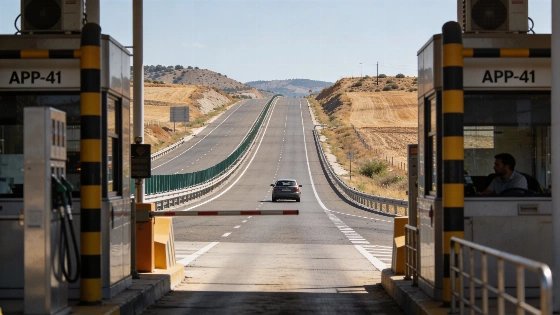
In the municipalities of Toledo along the A-42 highway, pressure is mounting on the authorities: residents and mayors are demanding the immediate abolition of the toll on the parallel AP-41 road. The reason is the daily traffic jams on the A-42, where traffic between Madrid and Toledo reaches 90,000 vehicles per day, while the alternative toll road remains almost empty. According to the Ministry of Transport, in 2025 fewer than 3,000 cars per day were recorded on the AP-41, despite the fact that the route had been purchased by the state back in 2019.
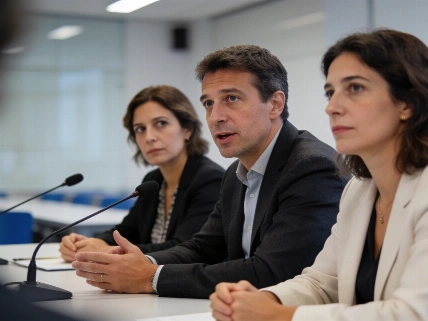
The head of Illescas, José Manuel Tofiño, calls free travel on the AP-41 the fastest and most cost-effective way to relieve the A-42. He emphasizes that the La Sagra region continues to grow thanks to logistics and migration from Madrid, and the existing infrastructure cannot handle the flow. According to him, appeals to the ministry and SEITT to abolish the toll remain unanswered, and drivers lose up to an hour daily in traffic jams.
A-42 users, such as Rubén Sardón and Juan Alberto Blasques, note that they are forced either to pay for a short stretch of AP-41 or to seek detours via regional roads and commuter trains. The nighttime removal of the AP-41 toll from midnight to six in the morning does not solve the problem: during these hours, traffic is minimal, while the main load falls on the morning and evening hours.
Local authorities and residents are demanding not only the complete liberalization of the AP-41, but also the reinstatement of previously canceled discounts, the extension of the Cercanías network to Illescas, and an increase in the number of buses between Madrid and Toledo. According to Tofino, projects to build a third lane on the A-42 are still under discussion, with real action being delayed. He also suggests allowing free passage for buses and introducing benefits for trucks heading to the Illescas logistics centers, in order to ease the burden on the main route.
As an argument, Toledo authorities cite the experience of Alicante, where removing tolls on a section of the AP-7 helped to relieve the overloaded A-70. Castile-La Mancha officials insist on the urgent widening of the A-42, noting that previous AP-41 discounts were too limited and had no significant effect. According to Tofino, the Ministry of Transport refers to restrictions related to the use of European funds in the construction of the highway, and so far has not confirmed plans to remove the toll.
The transport situation in the Toledo region resembles recent measures in Madrid, where authorities were forced to introduce free public transport and restrict traffic due to mass events. As the capital's experience has shown, such steps can temporarily reduce traffic congestion, but require a comprehensive approach — you can read more about this in the article on transport restrictions in Madrid.
For reference: the AP-41 is one of the least used toll roads in Spain, with its maintenance causing annual losses to the budget. The fare between Toledo and Madrid is €5.30 one way, and in 2026 rates will again rise by 2%. In recent years, the Ministry of Transport has invested millions of euros in resurfacing and updating road markings on the AP-41, which remains virtually empty. According to RUSSPAIN, the decision to liberalize the highway could significantly improve the quality of life for residents in the northern part of Toledo and reduce the accident rate on the A-42.