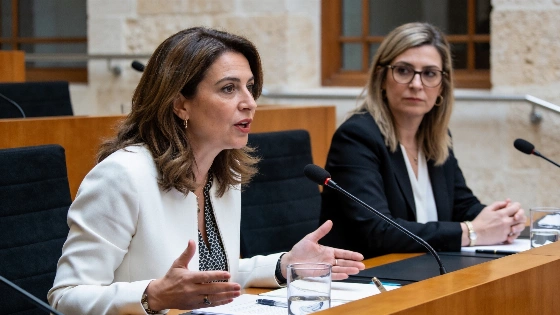
The PSOE group in Alicante City Council has appointed Trini Amorós as its new spokesperson. Ana Barceló will remain as deputy spokesperson to ensure continuity. The move signals a shift in strategy for the 2027 elections.
The PSOE group in Alicante City Council has undergone a significant leadership change as Trini Amorós steps in as the new spokesperson. The decision, confirmed by the party, comes after Amorós was selected in July as the PSPV-PSOE candidate for mayor in the next municipal elections. This move is seen as a strategic adjustment with the 2027 elections in focus, aiming to strengthen the party's presence and message in the city.
Ana Barceló, who has served as spokesperson until now, will continue to play a key role as deputy spokesperson. The party emphasized that this arrangement is designed to maintain continuity in the municipal group’s work while also opening a new phase of political activity. According to the official statement, the transition is intended to reinforce the group’s connection with local communities and to prepare for the challenges ahead.
Trini Amorós has outlined her priorities for the coming year, highlighting the importance of direct engagement with Alicante’s neighborhoods. She stressed her commitment to listening to residents, addressing their concerns, and discussing both the problems and aspirations that shape the city’s future. Amorós also pointed to the need for a more accessible and people-focused approach in local governance, promising to keep communication channels open with social organizations and party members.
The new spokesperson underlined that the PSOE will continue to present proposals and scrutinize the actions of the current administration. She argued that Alicante requires a credible and committed alternative, one that is closely linked to its neighborhoods and capable of offering practical solutions. The party’s leadership change is expected to bring renewed energy to its municipal agenda, with a focus on collaboration and transparency.
This development in Alicante’s political landscape comes at a time when local parties across Spain are recalibrating their strategies for upcoming elections. The shift in PSOE’s leadership echoes broader trends in Spanish municipal politics, where parties are seeking to strengthen their grassroots connections and adapt to evolving voter expectations. In a related context, recent political tensions in other Spanish cities, such as the disputes highlighted in the ongoing debates in Ceuta, illustrate the dynamic and sometimes contentious environment facing local governments.
For context, Alicante is one of the largest cities in the Valencian Community and plays a significant role in regional politics. The PSOE’s decision to appoint Amorós as spokesperson signals a clear intent to position the party as a leading force in the city ahead of the next electoral cycle. The coming months will likely see increased political activity as parties prepare their platforms and seek to engage with residents on key issues affecting daily life in Alicante.