Seville has reported two heatstroke deaths in just 48 hours. A 59-year-old woman and a 48-year-old worker died after exposure to extreme heat. Authorities are investigating the circumstances as hospitalizations rise.
Seville has recorded two fatal cases of heatstroke within a span of 48 hours, highlighting the growing health risks as temperatures soar across Andalusia. The latest victim, a 59-year-old woman originally from Russia and living in Seville since 2014, died after prolonged exposure to high temperatures on the street, according to the regional health authorities. Her death marks the third such fatality in the province this season and the fourth in Andalusia since the activation of the regional heat emergency protocol on May 15.
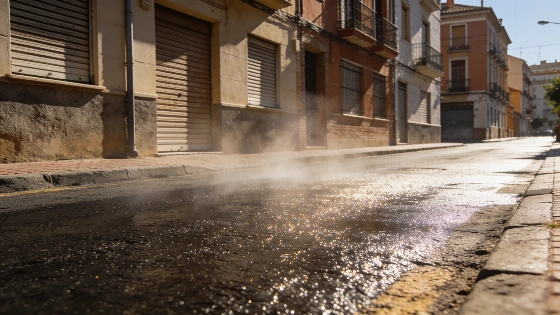
Just two days earlier, a 48-year-old foreign worker collapsed and died while working outdoors in Seville’s San Pablo industrial area. The city was under an orange alert at the time, with forecasts predicting highs of up to 43 degrees Celsius. Health officials have not disclosed the man’s occupation or the exact time of the incident, and it remains unclear whether either victim had underlying health conditions that could have increased their vulnerability to heat.
These incidents follow the death of a 71-year-old woman in Sanlúcar la Mayor last week and a 68-year-old man in Almería on June 23, both attributed to heatstroke. Since the start of the season, the Andalusian health department has reported 1,081 emergency cases related to heat, with 747 treated in primary care and 334 requiring hospital attention. Eighteen cases of heatstroke have led to hospital admissions, and ten patients remain hospitalized.
The recent fatalities in Seville underscore the persistent dangers posed by extreme weather, especially for those exposed to the elements for extended periods. The regional health protocol, activated each year as temperatures rise, aims to coordinate emergency responses and minimize health risks. However, the circumstances surrounding these deaths raise questions about the effectiveness of current measures and the challenges faced by vulnerable populations, including outdoor workers and the elderly.
As Spain continues to grapple with record-breaking heatwaves, disparities in protection and access to cooling resources have become more apparent. For example, a recent study in Barcelona revealed significant differences in air conditioning availability between income groups, further illustrating the uneven impact of extreme heat. More details on this issue can be found in an analysis of how heatwave risks are compounded by social inequality in Spanish cities.
Heat-related illnesses remain a pressing concern for public health officials in Andalusia and beyond. The ongoing wave of hospitalizations and fatalities has prompted renewed calls for vigilance, especially as summer temperatures show no sign of easing. Authorities continue to urge residents to avoid prolonged exposure, stay hydrated, and seek immediate medical attention if symptoms of heatstroke appear. The situation in Seville serves as a stark reminder of the urgent need for effective prevention and support measures as climate extremes become increasingly common across Spain.