Uber has received official approval to deploy 20 autonomous taxis in Madrid. The first phase will focus on mapping and route validation under human supervision, setting the stage for possible commercial robotaxi service in Spain.
Madrid will soon see autonomous taxis on its streets. Uber has received permission from the DGT to launch a fleet of 20 self-driving vehicles, making the city one of the first in Europe to move from pilot projects to real-world testing of driverless passenger transport. According to a joint press release from Uber and WeRide dated September 10, 2026, this is the first national permit in Spain for Level 4 autonomous passenger vehicles, issued under the ES-AV experimental framework.
The project is a partnership between Uber, WeRide, and Avomo, with support from the Comunidad de Madrid. Testing will begin immediately, focusing on mapping and validating routes in high-traffic areas. Uber aims to have these robotaxis operating commercially before the end of 2026, using Madrid as a starting point for a wider European rollout. For now, the permit only covers mapping, route validation, and operational readiness testing—not full commercial service without human supervision, as several Spanish media outlets have pointed out.
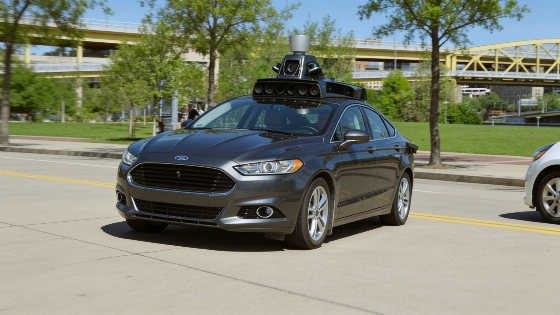
"The initial phase will see 20 WeRide GXR vehicles operating in high-demand areas of Greater Madrid, each with a specialist observer on board."
— Uber/WeRide press release
Uber is taking a cautious approach. Each vehicle will use Level 4 autonomous technology, which can handle driving tasks within set areas and conditions. However, a human driver will remain behind the wheel, ready to take over if needed. The focus is on collecting data and ensuring safety before allowing passengers to ride without a human present. As Democrata.es notes, the ES-AV framework is experimental and does not authorize fully driverless robotaxis across Spain.
During this phase, each robotaxi will drive selected routes to gather detailed information about Madrid’s streets. The goal is to learn which routes work and what conditions are needed for reliable service. Uber, WeRide, and Avomo hope this groundwork will help them move faster and more safely than competitors. The timeline for commercial service depends on the results of these tests and further regulatory decisions, as reported by Madrid Secreto.
Madrid is positioning itself as a leader in autonomous mobility, aiming to be among the first EU cities to offer a working robotaxi service. The DGT’s approval is a first for Spain at this level of autonomy, and Uber’s project is the first to get such a permit in the capital, according to El Mundo. The Comunidad de Madrid has publicly backed the initiative, highlighting the region’s ambition to become a center for autonomous mobility innovation.
"Spanish media emphasize that the ES-AV framework is a pilot regime, not a full commercial authorization for driverless taxis. The legal status remains experimental, with the presence of a human supervisor required during all initial operations."
— Democrata.es
Safety is the top priority. The autonomous taxis are equipped with systems to intervene in risky situations, but a human supervisor is required during the trial phase. Only after the vehicles prove they can handle Madrid’s traffic will Uber consider removing the backup driver. The companies hope to launch commercial service by the end of 2026, but the final timeline depends on successful testing and regulatory approval, as stated in the Uber/WeRide press release.
Uber and WeRide have run similar projects in other cities. Madrid is now the fourth location in a plan to reach 15 cities by 2030. The companies are using experience from earlier deployments to speed up the rollout in Spain and avoid problems that have slowed other projects.
While the technology is advancing, regulatory and public acceptance challenges remain. The Spanish government’s support for these trials marks a shift in attitude, but the real test will come when passengers ride in a driverless taxi for the first time. For now, the vehicles will be on Madrid’s streets, but always with a human at the controls until the data supports a change.
Spain’s automotive sector is watching closely. The outcome of these trials could influence how autonomous passenger transport is regulated and commercialized across the country. As seen in other mobility sectors, such as the electric vehicle market covered in this earlier breakdown, early adoption and clear rules can shape the future of new technologies.
Uber’s move is a calculated risk. If the trials succeed, Madrid could become a model for urban mobility in Europe. The company’s willingness to operate under strict supervision, collect real-world data, and work with local authorities points to a practical strategy. For now, the future of driverless taxis in Spain depends on the results of these first supervised journeys and whether Uber can deliver on safety and public trust.