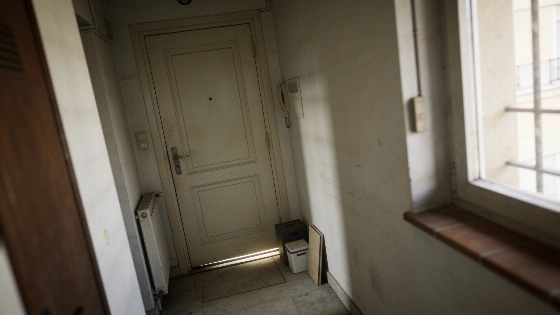
Urbagestión has proposed a route for Maricarmen to return to her Madrid home through the Reviva programme. The 87-year-old was evicted on September 23 after living there for 70 years. The company denies seeking an excessive rent.
Maricarmen remains in hospital after the September 23 eviction. She is 87 and had lived in the Madrid flat for about 70 years. Urbagestión Desarrollo e Inversión has now offered to place the property in the Reviva housing programme, which could give her access to a stable and affordable lease.
The proposal went to Madrid City Council after the eviction. It is not a signed agreement.
The September 23 eviction was reported as the fourth attempt to remove Maricarmen from the Madrid property.
Urbagestión says it did not demand an unusually high rent. Three years ago, the company says, Maricarmen's lawyer asked in writing about the price of a possible new lease. Urbagestión replied that it could consider a discount of between 40% and 50% below the market price.
The company says that response was later used as evidence of an attempt to raise the rent sharply. It rejects that reading. The dispute involves a tenant with limited mobility or a disability, as the BBC and Reuters have reported.
The property became owned by Urbagestión after Maricarmen had spent seven decades there. That history is central to the public reaction.
The biggest dispute concerns an alleged proposal from 2018. Urbagestión says it never offered Maricarmen the option of buying the flat for about €250,000 or staying there for €1,650 a month.
Madrid City Council said it had an emergency accommodation option available for Maricarmen after the eviction, including a place in a residential care setting. The existence of that option did not turn the Reviva proposal into a completed tenancy agreement.
BBC and Spanish media reports describe the rent dispute differently. After the property changed hands, the monthly rent was reported to have risen from €500 to €2,650. A reduced figure of €1,650 was later discussed. That was still above Maricarmen's reported pension of about €1,350.
Those amounts remain part of two competing accounts of the proposed lease. The figures are not in dispute as a simple calculation. Their meaning is.
Urbagestión also disputes claims about the Ministry of Housing and Casa 47. The company says neither made a purchase offer and says they could not legally do so. It identifies the only purchase proposal it received as an offer from the lawyer representing the Sindicato de Inquilinas.
Casa 47 tried to mediate, according to Urbagestión. The effort never became a definite written offer. In recent weeks, the company says, a rent of up to €900 was discussed verbally, with Casa 47 and Maricarmen expected to cover the payment.
The proposed arrangement did not settle the legal form of the lease. It also left the payment of expenses and other contract terms undefined.
Urbagestión has accused the Sindicato de Inquilinas of pressure, deliberate disqualification and disproportionate coercion. The company says the group's conduct blocked an agreement. An earlier housing investigation examined the eviction and Urbagestión's position in Madrid's property market.
Urbagestión confirmed that it filed a criminal complaint against the Sindicato de Inquilinas de Madrid in January. The complaint alleges coercion, disclosure of secrets and offences against the company's honour.
The company says it respects court decisions and the work of social services. It has also expressed regret over Maricarmen's situation. The Guardian reported that the legal dispute included Urbagestión's argument that an earlier sublease was invalid. The company argued that the tenancy had therefore ended, and the owners won that point before the highest court.
Madrid City Council said it had an emergency accommodation option after the eviction. Reuters also reported that Maricarmen's lawyer had referred to documents that had been filed or were awaiting review. The legal process did not stop the eviction.
The city had an option. The eviction still went ahead.
Urbagestión Desarrollo e Inversión SL is described in Spanish reporting as a Madrid-based real-estate investment management firm founded in 2005. The case has drawn political attention because it brings together a vulnerable long-term resident, investment ownership and the question of what protection tenants have when they face eviction.
The Reviva proposal offers a possible route back, but no agreement has been reported. The eviction has already happened. Urbagestión's denial does not settle the competing accounts over the rent, the €900 figure or the alleged purchase offer.
For Maricarmen, the immediate question is whether the proposal becomes a legally defined home. Until then, it remains a stated solution to a dispute that is still open.