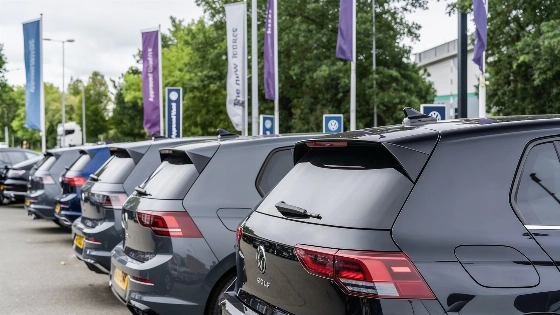
Spanish families are turning to used cars in record numbers, with August sales up 6 percent and nearly five used vehicles sold for every three new ones. Price, immediate availability and a wider range of models are driving this shift.
August saw more than 155,000 used cars and SUVs sold across Spain. That’s a 6 percent rise from last year. For every new car registered, 1.5 used vehicles found a buyer. The numbers show a clear shift in how Spaniards get around. Industry data from top Spanish outlets puts total used car transactions since January at 1,452,851. That’s up 2.8% compared to 2025.
People want cars now, not months from now. Lower prices and more choices have made used cars the first stop for many families. Buying second-hand is no longer a last resort. It’s the go-to move for those chasing value and flexibility. Spain’s energy transition adds another layer of uncertainty, but the trend is clear. Analysts say the average asking price for a used car in August was €17,281. That’s 4.7–4.9% less than last year. Cheaper cars mean more buyers.
Diesel vehicles continue to dominate Spain's used car market, accounting for about 47% of sales in August, while electrified models (hybrids and EVs) together make up just 16.6%.
Young used cars take the lead
Cars up to five years old are driving the boom. Sales in this group jumped 13.5 percent in August. These vehicles now make up over a quarter of all used car deals. Buyers want modern tech, low mileage, and quick delivery. They don’t want to pay new-car prices. Sector reports point to faster supply, lower mileage, and better prices as the main reasons for this surge.
Rental companies are renewing their fleets. Imports are flooding in. Used car imports are up 27.4 percent this year. Ex-rental cars saw a 15.5 percent rise in sales. The market is changing fast. Buyers now have more options—different mileages, engines, and features. Still, older cars haven’t disappeared. Industry overviews show that about 57% of August’s used car sales were for vehicles over 10 years old. Old cars are still everywhere.
Spain remains one of the European countries with the lowest share of battery electric vehicles (BEVs) in its car fleet—less than 1%—which helps explain the slow pace of electrification and the cautious approach of used car buyers.
Price isn’t the only thing buyers check. Service history, where the car came from, tire condition, paperwork, and warranty terms all matter now. “Kilómetro cero” cars—already registered but barely driven—fill a special niche. They’re ready to go for buyers who won’t wait for factory orders. Sector analysts say people are looking closer at service records and warranty coverage to avoid nasty surprises.
Electrification finds a foothold
Used electric and plug-in hybrids are showing up more often. New electrified cars are still pricey, but the second-hand market is opening doors. Sales of used pure electric cars shot up 32.6 percent in August, hitting 2,565 units. Plug-in hybrids jumped 52.5 percent to nearly 5,000 deals. So far this year, almost 5 percent of all used car sales are plug-in models. Industry summaries note that, even with fast growth, electrified cars are still a small slice of the used market. Diesel and gasoline still rule.
Buying a used electric car means checking the battery, real-world range, warranty, and charging options at home or work. These details matter. The shift to electric isn’t just for new car buyers anymore. Second-hand shoppers are joining in, but they’re careful.
The risk of an aging fleet
There’s a downside. Cars older than 15 years still make up over 40 percent of used sales. More than 64,000 of these old vehicles sold in August alone. The average used car sold in Spain is 11 years old. For private-party sales, that jumps to 15 years. Private deals make up more than 60 percent of all transactions. Old cars are cheap, so families with tight budgets keep buying them. But there are worries about safety, emissions, and efficiency. Industry groups say the high number of old cars is a big problem for both the environment and road safety.
Industry groups want a national renewal plan. They’re calling for incentives to scrap the oldest cars. Without action, Spain’s car fleet will keep aging. That’s bad news for safety and for the environment.
What drives the Spanish buyer
Three things matter most: price, availability, and variety. Younger used cars offer new tech at a lower price. Older cars are quick fixes for those with less money. Electrified options are making the energy transition easier, but the real test is whether the used market can help build a safer, cleaner fleet.
For buyers, practical details count as much as the sticker price. As reported earlier, picking the right used car can save a lot on maintenance and daily costs. Reliability and service history make a difference.
This boom in used cars isn’t just about saving money. It shows a new, practical way of thinking about mobility. The market’s future depends on how buyers, sellers, and policymakers balance short-term needs with long-term renewal. For now, used cars are setting the pace. The next challenge is clear. Spain needs a younger, safer, and greener fleet.