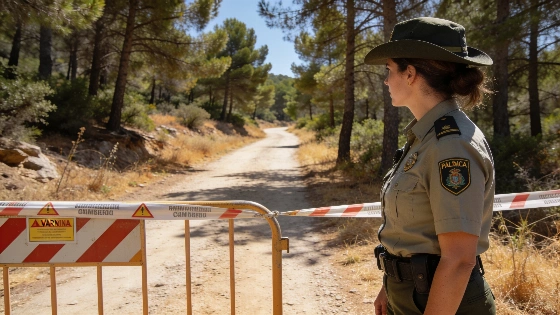
Valencia has declared a level 3 wildfire pre-emergency due to soaring temperatures. Natural parks are closed, outdoor events halted, and strict fire bans imposed. Authorities urge caution as the heatwave intensifies.
Valencia has moved to its highest wildfire risk level, imposing sweeping restrictions across the region as temperatures are forecast to exceed 40°C in the coming days. The Generalitat Valenciana has activated level 3 of its Special Plan for Forest Fire Risk (PEIF) from Wednesday through Friday, responding to what officials describe as an extreme danger period. This decision, formalized by the regional Emergency and Interior Department, means all natural parks in the area are now closed to the public, and a broad ban on outdoor activities is in force.
Under the new measures, access to forest trails and off-path areas is strictly prohibited. Construction and maintenance work in or near forested zones has been suspended, and all recreational use of fire—including barbecues and bonfires—within 500 meters of woodland is banned. Sporting events that cross forest terrain are cancelled, even if previously authorized, and any permits for organized outdoor sports in these areas are now void. The restrictions also extend to vehicles, bicycles, and pedestrians, who are barred from entering protected parks such as Sierra d’Espadà, Sierra Calderona, Chera-Sot de Chera, and others listed by the authorities.
Recreational areas, campsites, and shelters managed by the Generalitat are affected as well. Activities outside the immediate premises of these facilities are not allowed, and group events are suspended. The Secretary for Emergencies and Interior, Fernando Lasheras, emphasized the need for maximum responsibility, reminding residents that all forms of fire are strictly forbidden in and around forested land during this alert.
Special attention is being paid to animal welfare during traditional “bous al carrer” festivities. The regional government recommends avoiding these events between 12:00 and 19:00, limiting each bull’s exposure to ten minutes, and ensuring proper shade, water, and rest in holding pens. Organizers are required to monitor conditions closely, with oversight from event directors, livestock handlers, and veterinarians.
In Valencia city, the local council has suspended all outdoor sports organized by the Municipal Sports Federation and closed the Devesa area until Friday. The city has also activated fire prevention systems in El Saler and extended municipal pool hours to 21:00 to help residents cope with the heat. Climate shelters are open, and social services have issued red alert warnings to vulnerable groups, including seniors and those receiving home care. Outdoor markets, the Torres de Serranos and Torres de Quart, and municipal cemeteries are closed. The Gulliver Park will shut at 13:00, and families are advised to avoid playgrounds due to the risk of overheated equipment.
Municipal cleaning crews will halt street work at midday, with only waste collection vehicles operating in the afternoon. Roadworks on Colón, Pérez Galdós, and Giorgeta are paused. The city council urges residents to avoid unnecessary travel, stay hydrated, use public water fountains, and wear light clothing and sun protection. Special care is advised for the elderly, children, and those with chronic illnesses, and leaving people or animals in parked vehicles is strictly forbidden.
This emergency response in Valencia follows a pattern seen elsewhere in Spain, where extreme heat has forced authorities to take unprecedented steps. For example, Gran Canaria recently faced a similar red alert, with temperatures reaching 44.3°C and public pools becoming essential refuges for residents, as detailed in this report on the Gran Canaria heatwave. Such measures reflect a broader trend of escalating climate risks across the country.
Spain’s wildfire prevention protocols are among the strictest in Europe, especially during peak summer months. The PEIF system allows regional governments to rapidly escalate restrictions based on real-time weather data and fire risk assessments. In recent years, the combination of prolonged drought, high temperatures, and strong winds has led to several devastating wildfires, prompting authorities to prioritize early intervention and public safety. Residents are reminded that compliance with these emergency measures is not only a legal obligation but a critical step in protecting both people and natural heritage during periods of extreme weather.