València faced extreme heat, reaching 42.7°C in the city and over 44°C nearby. Authorities imposed emergency measures, while health risks and wildfires increased across the region.
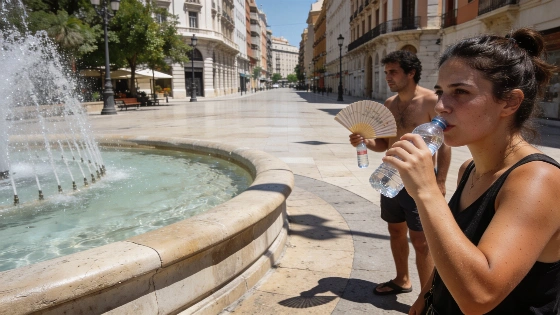
València experienced one of its hottest days on record as temperatures soared to 42.7°C in the city and exceeded 44°C in surrounding towns. The heatwave, which triggered a red alert from 13:00, left the usually busy city centre nearly deserted by midday. Only a handful of tourists braved the streets, seeking shade and relief with water, horchata, and fans—one of the day's most in-demand items in souvenir shops. Outdoor terraces saw few customers, while many residents and visitors gathered around fountains and mist jets in central squares to escape the relentless westerly wind.
Local authorities responded by extending municipal pool hours until 9 p.m. and instructing street cleaning crews to finish work by midday. In areas like El Saler and El Vedat, water cannons were deployed to cool green spaces. Despite these efforts, a vegetation fire broke out in the Carraixet ravine, requiring aerial firefighting support. The heat also pushed many to seek shelter indoors, with the Mercat Central becoming a refuge for those escaping the oppressive conditions. Fishmongers there reported spending €40 daily on ice to preserve their goods.
Across the province, the heatwave was even more severe. Xàtiva recorded 44.1°C during its local festivities, Carcaixent reached 43.6°C, Manises airport hit 43.5°C, and Pego saw 42.9°C. While these figures did not break all-time records—last year Carcaixent registered 44.5°C—meteorological agencies noted the persistence of extreme heat. Casas del Río, a district of Requena, has now endured over 17 consecutive days above 40°C, highlighting a trend of back-to-back heatwaves and tropical nights that disrupt sleep and daily life.
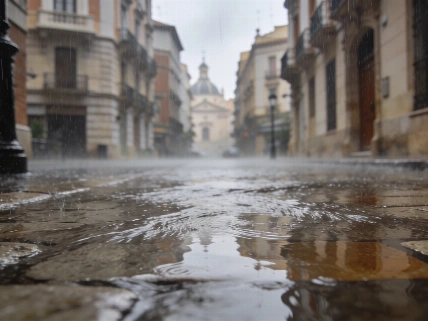
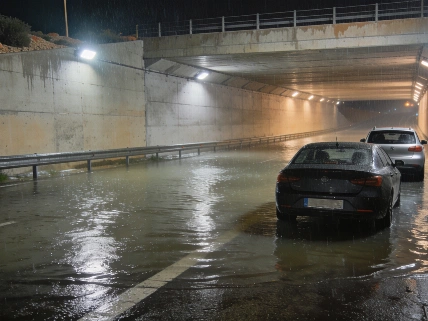
The Mediterranean Sea is also experiencing sustained high temperatures, with surface readings near 30°C. Experts warn that such conditions could fuel severe autumn storms. According to the Carlos III Health Institute's MoMo system, 64 heat-related deaths were recorded in the Valencian Community during the first half of August—28 in Alicante, 19 in Castellón, and 17 in Valencia. Most victims were over 65, and nearly 80% of fatalities occurred in the second week of the month. In response, the red alert will shift to an orange warning for storms and heavy rain in southern Valencia and Alicante, with forecasts of up to 40 l/m² in an hour, strong winds, and hail.
These developments come as Spain faces a broader pattern of extreme weather, with authorities across the country adapting to new climate realities. As noted in recent coverage of Spain's heat alerts and fire risks, the combination of high temperatures and shifting weather patterns continues to challenge emergency services and public health systems. The ongoing rise in Mediterranean sea temperatures, attributed to human-driven warming, has added 1.4°C to local maximums and nearly 1.9°C in the western basin since 1982, according to World Weather Attribution analysis. This shift is making previously rare heat events a regular feature of the region's climate.
For context, the European Mediterranean typically reaches its highest sea temperatures in August or September, but this year, record levels were already observed by late July. The persistence and intensity of these heatwaves are prompting local governments to review emergency protocols, adapt public services, and issue frequent health advisories. The situation in València reflects a wider trend affecting much of southern Europe, where climate adaptation is becoming an urgent priority for both authorities and residents.