Former Vice President and Cambio Radical Leader Germán Vargas Lleras Dies in Colombia. Germán Vargas Lleras has died at the age of 65 after a long battle with cancer. He was a key figure in Colombia's infrastructure development and political opposition. His passing shifts the balance of power in the country.
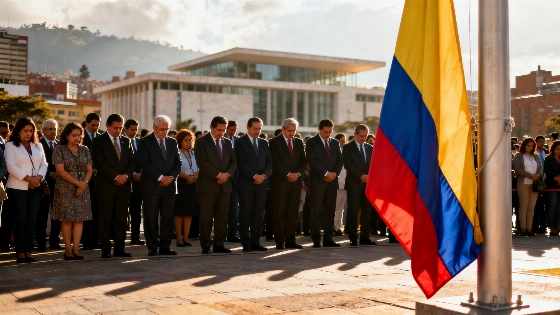
Germán Vargas Lleras has died in Colombia — the former vice president, leader of the Cambio Radical party, and one of the country's most prominent politicians in recent decades. He was 64. Vargas Lleras had been battling cancer for a long time, the details of which were not disclosed. His death became a significant event on the nation's political stage, where he remained an influential figure even after leaving government posts.
Career and Influence
Vargas Lleras rose from municipal councilman to Vice President of Colombia. He was known as a tough politician and the initiator of large-scale programs for road and housing construction. During his tenure in the government of Juan Manuel Santos, he was responsible for key infrastructure projects and launched free housing programs for low-income families. His management style was characterized by a strong focus on results and efficiency.
Opposition and Political Conflicts
In recent years, Vargas Lleras became one of the most active critics of Gustavo Petro’s left-wing government. Despite deteriorating health, he continued to shape the political agenda through publications in El Tiempo and public statements. In his final addresses, he sharply condemned the Petro administration's personnel policy and accused the authorities of using state resources for electoral purposes. In March 2025, he called on the opposition to unite around a single candidate, describing division as 'political suicide.'
Personal Story and Assassination Attempts
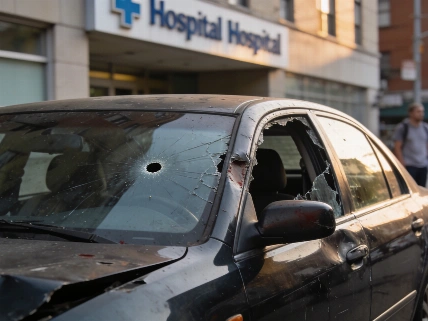
The political career of Vargas Lleras was marked not only by professional achievements, but also by serious challenges. He survived two assassination attempts connected to his work against armed groups. In 2002, a booby-trapped device exploded in his office, resulting in severe injuries to his hand. The second explosion occurred in 2005 near the Caracol Radio station, injuring his security personnel. Later, former FARC members claimed responsibility for these attacks, and a special peace tribunal officially recognized Vargas Lleras as a victim of the conflict.
Political legacy
Vargas Lleras was the grandson of former president Carlos Lleras Restrepo and began his career under the guidance of Luis Carlos Galán. Despite his liberal roots, he became a symbol of a tough stance in negotiations with armed groups and repeatedly criticized peace initiatives. In Santos' government, he served as Minister of the Interior and Minister of Housing, and later — Vice President. In 2018, he ran in the presidential elections but did not advance to the second round, losing to Iván Duque, Gustavo Petro, and Sergio Fajardo.
Even after his unsuccessful campaign, Vargas Lleras retained influence: representatives of Cambio Radical joined Iván Duque's government. His attempts to form a united opposition front included negotiations with the Democratic Center, despite longstanding competition with Álvaro Uribe. In the last months of his life, he underwent treatment in the US and Bogotá, which prevented him from returning to active politics.
The topic of fighting a serious illness and the impact of personal trials on a political career has often been discussed in Latin American media. Similar stories of prominent figures stepping down due to health issues have already been addressed in RUSSPAIN’s coverage, for example, in the publication about Spain’s reform plans prepared by Iván Redondo, which also noted the role of illness in a politician’s fate: details about the impact of personal circumstances on political decisions.