Volvo is preparing a major lineup overhaul: by 2030, the Swedish automaker plans to introduce 13 new electrified models. The company aims to double its share of the European market and defend its position as Chinese competitors rapidly expand.
Seven of the 13 new models are intended for Europe and other Western markets. The remaining six will be made exclusively for China and will use Geely technology not planned for European versions. For buyers in Spain and elsewhere in Europe, that means the Volvos on local roads will differ noticeably from their Chinese counterparts, down to their software and platforms.
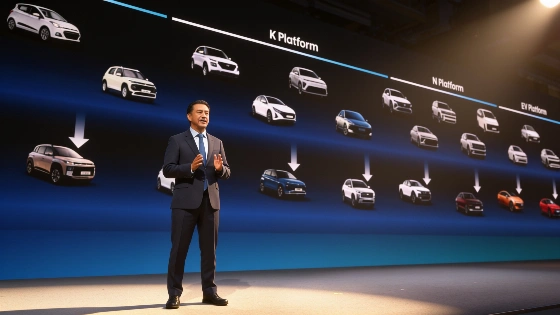
Volvo’s strategy draws a clear line between regions. New models for Western markets, including Spain, will use the company’s SPA2 and SPA3 platforms, which already underpin the EX90 and EX60. They will run Volvo’s own HuginCore software, while Chinese versions will use Geely Software, reflecting the parent company’s influence in Asia. Each factory will specialize in its own platform, widening the differences between lineups for the two markets.
Volvo also plans to raise its operating EBIT margin to more than 8% by 2030, up from a projected 3.5% in 2025, Reuters reports.
Electrification remains the priority for European customers, but Volvo is keeping hybrids in the lineup. The company is bringing third-generation hybrids to market for buyers not yet ready to switch fully to electric cars. The approach also follows the recent update to its XC40, XC60 and XC90 SUV lineup. Volvo’s leadership says the future belongs to electric cars, but flexibility matters today.
None of the new models will be a simple upgrade or facelift. Volvo says all 13 are entirely new vehicles, not updates to existing models such as the XC40 or EC40. The company promises a new design that draws on nearly a century of brand history while reflecting differences between European and Chinese versions. At a recent presentation, Volvo designers also stressed the value of tactile details, including the sound and feel of physical buttons inspired by Leica cameras. They see these details as a mark of premium quality that digital screens cannot replace.
In its official press release, Volvo calls the launch the largest and most ambitious global lineup overhaul in the company’s 99-year history and emphasizes the regional split between products. Industry analysts link the divergence between Western and Chinese markets to trade barriers and local preferences, as competition from Chinese manufacturers intensifies.
The next major basic stage is scheduled for spring 2027, when Volvo will unveil a new concept car. It will show how the company’s design is developing and signal how Volvo plans to stand out as Chinese premium brands advance.
For Spanish drivers choosing their next electric SUV, the market is changing quickly. As previously reported, real-world range and charging speed are already becoming basic considerations on the road. Volvo’s new models will need to meet technology expectations while retaining a European identity, a position the company is staking out as Chinese competitors pursue their own premium ambitions.
Volvo’s strategy is to defend its position in Europe with a technology-focused lineup tailored to the region, while using its partnership with China to grow in Asia. The approach reflects the fragmentation of the global car market. Volvo’s success in Europe will depend on whether its new models can offer what Chinese brands do not: heritage and distinctive design, along with a particular feel behind the wheel. The next four years will show whether that is enough to hold its ground.