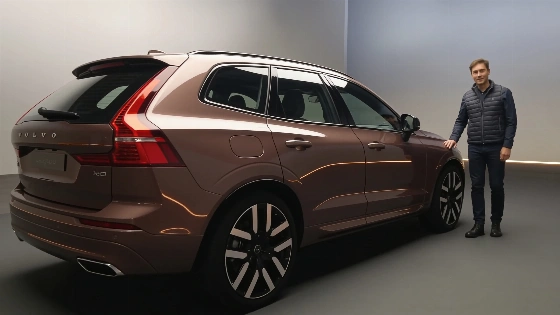
Volvo’s XC60 2027 plug-in hybrid can cover 200 kilometers on electric power alone, putting it ahead of most competitors. The range reflects a shift in Volvo’s approach to electrification.
In 2022, Volvo planned to sell only electric cars by 2030. That strategy put the future of the XC60, its global bestseller, in doubt, especially with the all-electric EX60 on the way. But demand for full EVs fell short of expectations, so Volvo decided to keep the hybrid XC60 in production and hold on to its core customers.
The basic change is a new 41 kWh battery, more than double the previous 18 kWh unit. It lets most drivers handle daily trips without using petrol. The T6 and T8 plug-in hybrids now offer 280 and 360 horsepower, and a B5 hybrid is also available. Electric-only range rises from 79 to 200 kilometers, setting a new standard for this class. Official Volvo data lists 263 kW (357 hp) for the new XC60 T6 AWD Long Range Plug-in Hybrid, while the T8 AWD version reaches 455 hp, a new performance benchmark for plug-in hybrids in this segment.
The XC60 2027 also gets a major exterior update. At the front, it has a new grille and LED headlights shaped like Thor’s hammer. The rear brings new taillights and a redesigned tailgate, with updated badging. Only the rear window is unchanged. Large 21-inch wheels with new designs complete a look that is more striking in person than in photos.
Inside, the changes are more restrained. The digital instrument cluster and 11.2-inch touchscreen, shared with the XC40, remain; rear-seat and boot space are unchanged. The new battery sits under the floor between the wheels, improving range without affecting practicality. Industry reports put its usable capacity at 37.9 kWh, with 41.2 kWh gross, more than double the previous 18.8 kWh unit. Volvo positions the XC60 as a “bridge” to full electrification, with the update intended to allow longer electric journeys without abandoning combustion engines entirely.
Safety and technology have also advanced. The XC60 now includes lane change assist with Pilot Assist and a 360-degree camera with 3D view. Its new connectivity system supports over-the-air updates. Google Gemini AI has joined the digital assistant suite, keeping the car’s software up to date.
Prices start at 67,900 euros, just 1,000 euros more than the outgoing model and below direct rivals such as the Mercedes GLC. The XC60’s electric range now beats the BMW X3 plug-in hybrid, making it an option for buyers who aren’t ready to switch to a full EV.
Volvo’s decision to extend the XC60’s life reflects a broader trend among automakers adjusting their electrification timelines. The company’s willingness to adapt its plans could matter as the market changes. A similar pressure followed BYD’s launch of the ATTO 3 EVO in Spain, as reported earlier, prompting established brands to rethink their strategies and pricing.
By focusing on plug-in hybrids and extending electric range, Volvo is betting that flexibility will appeal to buyers still hesitant about going fully electric. The XC60 2027 is a technical update and a sign that Volvo is responding to the market. For now, the brand’s most popular model stays in the lineup, leaving competitors to respond.