Vox has launched a fierce attack on the Spanish government, blaming its housing crisis on unchecked immigration and accusing officials of manipulating public outrage. The party insists that only strict migration controls and remigration can address the root of Spain’s spiraling housing shortage.
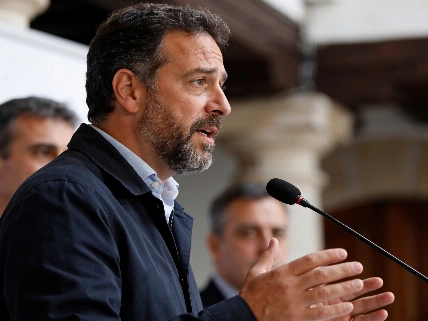
Madrid’s housing protests have put the government on the defensive. Vox wasted no time. The party’s housing spokesperson, Carlos Hernández Quero, called out officials for what he described as a “shameful maneuver of confusion.” He accused the government of trying to play both sides—running the country and leading the protests against itself.
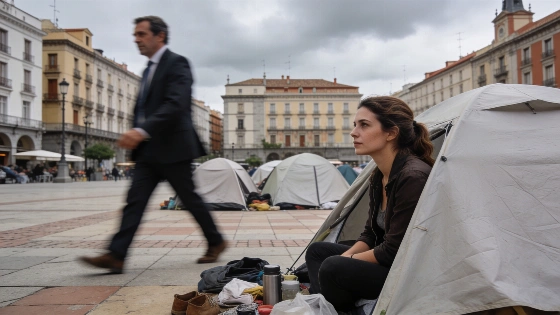
Street demonstrations over housing filled the weekend. Vox’s leaders say the government’s sudden concern is just for show. Hernández Quero argued that ministers are only reacting now because “they see the wolf at the door.” He said the crisis is no accident. Vox blames government policy for the mess. International agencies reported that the recent protests in Madrid started after the eviction of 87-year-old Maricarmen. Her story has become a symbol of the crisis. Protesters want stronger tenant protections, anti-fraud rules, and a ban on evictions without alternative housing. Some even camped overnight in the city center.
The Bank of Spain estimates the current housing shortage at around 755,000 homes, with a risk of reaching 1 million by 2028 if trends continue.
Vox’s criticism goes deeper than politics. Hernández Quero spelled out the party’s main point: Spain’s housing disaster comes from “demand that tends to infinity and a meager supply that tends to the ground.” Vox points to mass immigration as the main cause. “You don’t need to be a math olympiad champion to understand that if five million people enter in five years and fewer than 500,000 homes are built, we have a problem,” he said. Party leader Santiago Abascal has made similar claims. But independent sources, including Reuters and ABC News, report that analysts see more than just immigration at play. They point to a structural housing shortage, fast urban growth, and the impact of tourism as key factors.
Vox says public anger is justified. “There is an indignation that is not only legitimate, but necessary,” Hernández Quero said. Still, the party refuses to join the protests. Vox argues that those who caused the crisis cannot lead the solution. Hernández Quero dismissed the idea of supporting demonstrations led by government-aligned groups. He warned that the same officials who “write the BOE and the protest banner” are now trying to “shepherd” the anger they created. Euronews reports that the average asking rent in Spain hit 15.1 euros per square meter in August 2026, up 5.8% from the year before. In Madrid, rents have nearly doubled in ten years. Urban housing is under pressure. The numbers are stark.
Vox’s answer is blunt. No housing reform, they say, until Spain clamps down on immigration and starts “remigration.” Hernández Quero calls it a contradiction to support both cheap rents and mass immigration. “No one can speculate with an abundant good,” he said. The party claims that only by cutting demand can prices fall. Vox also blames the government for creating a “rentier problem.” They say official policy guarantees high returns for landlords by keeping housing scarce and the list of applicants long.
According to Spain’s National Statistics Institute (INE), housing prices rose by 12.2% year-on-year in the second quarter of 2026, with used homes increasing by 12.9% and new builds by 7.4%. This surge has intensified calls for urgent government intervention and further fueled public discontent.
The government’s new housing decree gets no support from Vox. Hernández Quero says it “does not address any of the roots of the crisis.” He claims the government will not fix the real problems, since that would mean rejecting its own housing policy. Vox will not back any measures negotiated between the government and its allies. The party sees these as distractions. Prime Minister Pedro Sánchez has announced a royal decree on housing and urged parliament to support it “with a sense of state and responsibility,” according to several leading news agencies.
Protests and encampments, especially at Puerta del Sol, have put a spotlight on those locked out of the market. As reported earlier, young Spaniards are now the face of the movement for real change. Vox’s move signals a deeper political split over both the causes and the fixes for Spain’s housing emergency.
The government is now scrambling to control a story it once ignored. Vox wants to frame the crisis as a failure of migration policy. The party refuses to join the protests but says public anger is real. It’s a calculated distance. Vox insists remigration must come first, before any housing reform. The fight is not just about policy. It’s about who gets to define the problem. For now, the government faces a credibility gap. Decrees and slogans won’t close it.