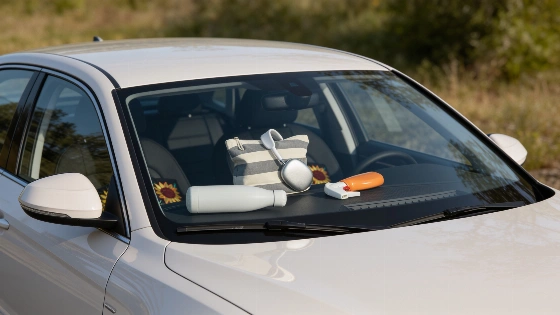
Leaving common objects inside your car on hot days can turn a parked vehicle into a fire hazard. Experts warn that certain items, from lighters to electronics, pose real risks when exposed to soaring temperatures.
On a scorching afternoon, the temperature inside a parked car can climb far beyond what most people expect. Even when the outside air feels bearable, sunlight streaming through windows rapidly transforms the cabin into a heat trap, with interior temperatures often exceeding 50 or even 60 degrees Celsius. This sudden spike is not just uncomfortable—it can be dangerous, especially when certain everyday objects are left behind.
Authorities and road safety experts have repeatedly cautioned drivers about the hidden dangers of leaving specific items inside vehicles during heatwaves. The risk is not limited to discomfort or damage to personal belongings. In the wrong conditions, a single forgotten object can trigger a fire that threatens both the car and public safety.
High-Risk Items
Among the most hazardous are plastic lighters and aerosol cans—such as deodorants, hair sprays, insecticides, or cleaning products. These containers are filled with highly flammable, pressurized gases. When exposed to extreme heat, the pressure inside canisters rises sharply, often beyond what the packaging is designed to withstand. The result can be a violent explosion, releasing flammable vapors into the confined space of the car. If these vapors encounter a spark or a superheated surface, a fire can ignite almost instantly.
Electronics and Batteries
Modern life means many drivers leave electronic devices—phones, power banks, laptops, tablets, or e-cigarettes—inside their vehicles. Most of these gadgets rely on lithium-ion batteries, which are particularly sensitive to high temperatures. Prolonged exposure can trigger a process known as thermal runaway, where the battery overheats, swells, and may eventually catch fire or explode. Such incidents are notoriously difficult to extinguish due to the chemical nature of lithium fires, and can cause significant damage before help arrives.
Invisible Hazards
Not all risks are obvious. Transparent objects like plastic water bottles, perfume flasks, or even eyeglasses left on the dashboard can act as magnifying lenses. When sunlight passes through these items, it can focus heat onto a single point on the upholstery or plastic surfaces, potentially causing them to melt or even smolder. This so-called 'magnifying glass effect' is a well-documented but often overlooked cause of slow-burning fires in vehicles.
Prevention and Practical Advice
Experts recommend a simple but effective habit: always check the interior of your car before locking up, especially during hot weather. Remove any pressurized containers, electronic devices, and transparent bottles or objects. While storing items in the boot may reduce direct sun exposure, the safest approach is to take them with you whenever possible.
Fire risks in vehicles are not unique to Spain. Across Europe, authorities are adapting regulations and public messaging to address the dangers posed by extreme temperatures and modern technology. For example, some countries have introduced measures to encourage safer driving and reduce emissions, such as Austria's policy allowing electric cars to bypass certain speed limits on highways—a move that highlights the evolving relationship between vehicles, safety, and environmental concerns (see how Austria is changing highway rules for electric vehicles).
In summary, the combination of intense sunlight, confined spaces, and everyday objects can create a perfect storm for accidental fires in parked cars. Staying vigilant and removing high-risk items is a simple step that can prevent costly damage and protect lives during the hottest months of the year.