How to Find Out for Free If You Are on the ASNEF List and Quickly Remove Your Data. You can end up on the ASNEF list even because of a small debt, and the consequences can be serious: loan rejection, difficulties with renting, and even issues with service providers. We explain how to check your status in the register for free and what steps to take to remove your information.
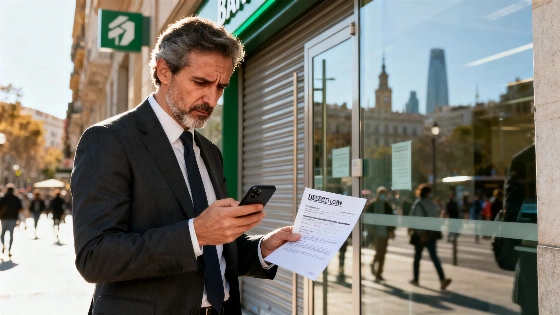
A loan rejection, unexpected rental trouble, or inability to get insurance—for many, these situations are the first sign that their data has ended up in the ASNEF list. This debtors’ registry, managed by Equifax, includes both individuals and companies, and you can end up there over a debt as small as 80–100 euros.
Being listed in ASNEF can seriously complicate your financial life: banks and insurance companies almost always check this list before approving a loan or signing a contract. Sometimes even a minor overdue payment can result in denied financing or tougher conditions.
Why you might be listed in ASNEF
ASNEF stands for the National Association of Financial Institutions, and the registry itself was created to record unpaid debts. Not only banks, but also telecommunications operators, energy companies, and other organizations can add a name if a debt remains unpaid and legal requirements are met.
To be added to the list, even a small amount is enough if the creditor has officially notified the debtor and all formalities are observed. It’s important to remember: inclusion in ASNEF is not always legal. If the debt is not confirmed by a court decision or proper notice is lacking, you can demand your data be removed and even claim compensation—according to Área Jurídica Global president Javier López, the amount can reach €5,000–10,000 for a recording error.
How to check your ASNEF status for free
Notification of inclusion in the register does not always arrive. Often, a person finds out about the issue only after being refused a loan or when trying to sign a new contract. You can check yourself in two ways:
1. Online: on the Equifax Consumer Portal you can exercise your ARCOL rights (access, correction, deletion, objection, and restriction of data processing). The response is immediate.
2. By mail: send a letter with a copy of your document (DNI, NIE, passport, or CIF for companies) and a signed statement to: Apartado de Correos 10.546, 28080 Madrid. By law, Equifax is required to respond within a month; in complex cases, the period may be extended by another two months with mandatory notification.
If the procedure seems complicated, legal companies often offer video tutorials and letter templates for contacting the register.
Consequences for individuals and businesses
The main problem is restricted access to loans and financial services. Banks, insurers, and even telecom operators check ASNEF before signing a contract. If you are on the list, the conditions may become less favorable or you may be refused.
For entrepreneurs and companies, the situation is even more difficult: suppliers and partners may require prepayment or refuse to cooperate altogether. Even a small debt, for example €15 for communication services, can damage your business reputation.
When inclusion in ASNEF is legal
An entry in the registry can only be made under several conditions: the debt must be real, overdue, uncontested in court or through administrative channels, and confirmed by an official notification (for example, via burofax). The contract must specify the possibility of data transfer to the registry, and no more than six years should have passed since the debt arose.
European Directive 93/13 protects consumers from unfair terms, and the Supreme Court of Spain has repeatedly emphasized: only debts confirmed by a court decision may be entered into ASNEF. If this requirement is not met, you can file a claim for protection of honor and demand compensation for reputational damage.
How to get out of ASNEF: step by step
1. Check the details of the debt. Request full information from ASNEF: who reported the debt, the amount, the date of registration, and whether notification was given. If there are errors or the debt has already been paid, demand that the data be deleted.
2. Repay the debt or negotiate a restructuring. If the debt is confirmed, payment is the fastest way to get out of the registry. After payment, the creditor is obliged to notify ASNEF and initiate the removal of the entry within 10 business days. You can also negotiate for installments or a reduction in the amount, but read the terms carefully.
3. Contact ASNEF directly. Even if the creditor has not reported the repayment, you have the right to send proof of payment to Equifax and request the deletion of your data. If your requests are ignored, file a complaint with the Data Protection Agency (AEPD) — it can fine the violator.
In case of unlawful inclusion in the registry, you can demand immediate removal and compensation. This is especially relevant if the debt has not been confirmed by a court, a notification was not sent, or the amount does not match reality.
How to avoid being listed again
To avoid being listed in ASNEF again, it is important to pay bills on time and keep payment receipts. If disputes arise with suppliers or banks, act quickly and keep a record of your correspondence. Even a small debt can result in serious restrictions if not resolved promptly.
In recent years, Spain has seen a rise in accidental entries into debtor registries due to technical errors or bad faith by companies. Regularly checking your credit history is increasingly important for those planning to take out loans, move, or develop a business.