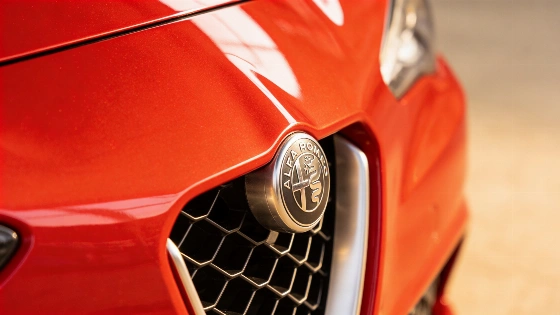
Alfa Romeo Changes Course: EVs Aren’t for Everyone, Giulia and Stelvio Await a New Engine. Alfa Romeo is adjusting its strategy: the new Giulia and Stelvio models will arrive later, and the brand’s move toward electric vehicles is becoming less definitive. Brand chief Santo Ficili explained why the company isn't ready to abandon internal combustion engines entirely.
Alfa Romeo is once again in the spotlight of the European automotive market: the Italian brand has officially confirmed a revision of its strategy regarding electric vehicles and internal combustion engines. Key models — Giulia and Stelvio — will not be released in the coming years as previously expected, with their updates postponed until 2028. The reason lies not only in technical nuances, but also in a global approach to the future of the model lineup, which will now be built on a balance between electrification and maintaining traditional engines.
A focus on flexibility
Alfa Romeo’s decision not to limit itself to electric vehicles only reflects the growing skepticism among European manufacturers about the pace of the transition to electric power. As noted by Autocar, brand chief Santo Ficili stated outright: not all markets and not all customers are ready for full electrification. This is especially true for models like the Giulia and Stelvio, which are traditionally in demand in Spain among fans of dynamic sedans and crossovers with character. Both cars have long been established in the premium segment, competing with their German counterparts, while their petrol and diesel versions remain relevant for a significant portion of buyers.
Why electric cars aren’t for everyone
According to Santo Ficili, Alfa Romeo sees no point in completely abandoning internal combustion engines until charging infrastructure and demand for electric vehicles reach the necessary level in all regions. In Spain, despite growing interest in electric cars, their share of total sales remains modest, especially outside major cities. That is why the brand has decided to expand its range of powertrains for future models to maintain appeal to a broad audience. This approach is already being implemented in the strategies of other European brands, which are adjusting their full electrification plans, as recently discussed in the article about how Geely uses Volvo’s factory in the US to bypass tariffs on electric vehicles — details in our review.
What’s next for Giulia and Stelvio
The postponement of the new generations of Giulia and Stelvio means the current versions of these models will remain on the market longer than planned. For Spanish dealers and clients, this is an important signal: Alfa Romeo is in no rush to make radical changes and is ready to offer both modern electrified solutions and classic engines. According to Santo Ficili, the brand’s lineup in the future will include not only battery electric vehicles, but also hybrid, as well as fully petrol and diesel versions. This choice is especially important for Spain, where buyers value diversity and the ability to choose a car that fits their actual needs rather than global trends.
Alfa Romeo traditionally holds a special place in the Spanish market among enthusiasts of Italian design and sporty character. The Giulia and Stelvio are among the few premium segment models with a distinct personality available in Spain, offered with both classic engines and hybrid technologies. The brand’s decision not to rush electrification and to maintain a wide range of powertrains could become a competitive advantage in the coming years, especially amid uncertainty surrounding charging infrastructure and changes in European regulations.