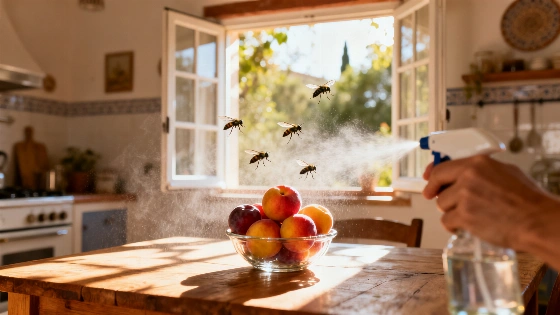
Cockroaches, ants, and flies often appear indoors despite repellents and closed windows. Experts point to hidden nests in hard-to-clean areas as the real cause. Warmer weather only makes the issue more visible.
Finding cockroaches, ants, or flies inside the house can be frustrating, especially when windows stay shut and repellents are in use. Yet, as pest control specialists explain, the real source of these unwelcome guests is often much closer than most people realize.
With the arrival of warmer months, insect activity inside homes tends to spike. While it’s easy to assume that pests slip in through open doors or windows, experts say that’s rarely the main reason for repeated sightings. Instead, many infestations begin from nests hidden deep within the property—places that routine cleaning rarely reaches.
Hidden Nests Inside the Home
During colder periods, insects like cockroaches and ants retreat into cracks, wall cavities, or behind fixtures, where they remain dormant and unnoticed. As temperatures rise, these insects emerge in search of food and water, making their presence suddenly obvious in kitchens, bathrooms, and storage areas.
Occasional sightings may be due to a stray insect entering from outside. However, frequent or daily appearances usually signal a nest somewhere inside. According to pest control professionals, these nests are often tucked away in wall crevices, behind electrical outlets, under tiles, or in the dark corners near pipes—areas that are rarely cleaned and offer both shelter and access to food.
Why Repellents Alone Aren’t Enough
Using sprays, traps, or homemade remedies can temporarily reduce visible insect numbers, but these measures rarely address the root of the problem. If a nest remains undisturbed, insects will continue to reappear, sometimes within days. This is why simply blocking entry points or relying on repellents often leads to frustration rather than a lasting solution.
Experts recommend paying close attention to where insects are most often seen. Consistent activity in a particular spot may indicate a nearby nest. Identifying and targeting these hidden sources is key to breaking the cycle of infestation.
Where to Look for Infestation Hotspots
The most common hiding places for insect nests are small, dark, and infrequently accessed. Wall cracks, ceiling gaps, the backs of switches and sockets, and spaces beneath tiles or decorative covers are all prime locations. Kitchens, bathrooms, and storage rooms—especially those with moisture or food residue—are particularly vulnerable.
Humidity and leftover crumbs create ideal conditions for insects to thrive and multiply. Regular cleaning of these problem areas, including hard-to-reach corners and behind appliances, can significantly reduce the risk of a persistent infestation.
Effective Steps to Eliminate and Prevent Pests
The first step in tackling a recurring insect problem is to locate the source. This means inspecting less visible parts of the home, especially during spring and summer when insect activity peaks. If a nest is found, it should be removed safely and the area thoroughly cleaned. For severe infestations or when dealing with resilient pests like cockroaches or wasps, professional pest control services are often necessary.
Even if no nest is found, prevention remains crucial. Deep cleaning and disinfecting hidden spaces can deter insects from settling in. Many cleaning products also have scents that act as natural repellents, further discouraging pests from returning. Maintaining a regular cleaning routine in cracks, corners, and damp areas is one of the most effective ways to keep homes pest-free during the hottest months.
As noted by Talent24h, understanding the real reasons behind indoor insect problems helps homeowners take more effective action—focusing on hidden nests and overlooked spaces rather than just surface-level solutions.