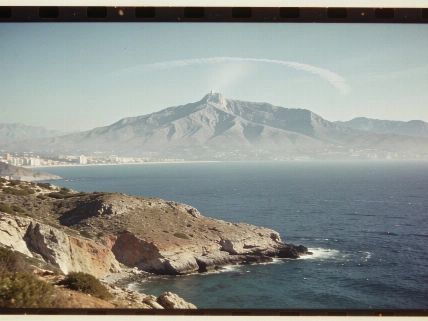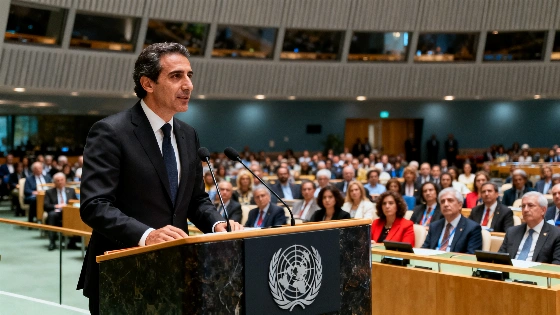
Gibraltar’s Leader Demands Removal of Territory from UN List. At a UN session, Fabian Picardo raised Gibraltar’s status once more, calling for residents’ right to self-determination and demanding the territory’s removal from the list of non-self-governing territories. Spanish authorities are closely monitoring the situation.
Fabian Picardo, Chief Minister of Gibraltar, spoke in New York at a session of the UN Decolonization Committee, demanding that the territory be removed from the list of non-self-governing territories. This was his last address to the committee as head of government. Picardo emphasized that Gibraltar has no intention of giving up its right to self-determination, despite pressure and outdated resolutions which, in his view, do not reflect current realities and contradict international law.
In his speech, Picardo highlighted the historic agreement between the United Kingdom and the European Union, which he believes paves the way for removing physical barriers at the border with Spain. He noted that the agreement was negotiated with the full participation of the Gibraltar government and requires ratification by the territory's parliament. At the same time, as Picardo stressed, the issue of sovereignty remains outside the scope of the agreement, and the people of Gibraltar are not prepared to give up their right to determine the region's future.
Picardo was supported by a number of senior officials, including Attorney General Michael Llamas, Deputy Chief Minister Joseph Garcia, and representative Jamie Trinidad. He stated that the UN resolutions on Gibraltar are outdated and do not comply with modern international law. According to him, in the past 63 years, the committee has not demonstrated neutrality, while its repeated resolutions fail to take into account the position of the territory's residents.
During the session, Picardo also called for a UN delegation to be sent to the territory and to recommend that the General Assembly remove Gibraltar from the list of non-self-governing territories. He emphasized that the region's residents are ready to cooperate with Spain, but not to make concessions on the issue of self-determination. According to Picardo, it is the Gibraltarians themselves who support good neighborly relations and economic partnership, but are not prepared to compromise on their rights.
The context of the situation highlights that the status of Gibraltar remains one of the most complex issues in relations between Spain and the United Kingdom. In recent years, discussions about the territory's status have intensified amid Brexit negotiations and new agreements between London and Brussels. As with other high-profile political processes, such as the resignation of the director of Transparencia in Valencia amid the Azud case investigation, which was previously reported by russpain.com, the situation around Gibraltar illustrates how sharply questions of sovereignty and international status are perceived in Spain.
For reference: Gibraltar was added to the UN list of non-self-governing territories in 1946. Since 1963, representatives of the region have regularly appealed to the committee, demanding recognition of their right to self-determination. The question of Gibraltar’s removal from the list remains unresolved, and Spain’s stance is still categorical: Madrid considers the territory disputed and insists on negotiations with London. At the same time, for the people of Gibraltar, maintaining control over their own future and fostering good neighborly relations with Spain without losing autonomy remain key priorities.