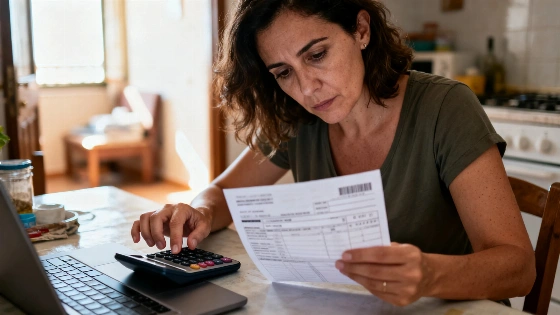
SEPE Demands Gross Salary to Be Considered: Who Risks Losing Benefits. When applying for the insufficient-contribution subsidy, SEPE looks not at the amount received in your account but at income before taxes. This can become an unexpected obstacle for families with children and those counting on support.
Applying for a subsidy due to insufficient work history often comes as an unexpected challenge for those who are used to focusing on the amount they actually receive in hand. SEPE officially confirms: when determining eligibility for benefits, it is the gross salary—that is, before taxes and social contributions are deducted—that is taken into account. For many, this comes as an unpleasant surprise, especially if the family income hovers near the established limit.
The subsidy for insufficient contributions is intended for those who have lost their job but have not accumulated enough work history to qualify for regular unemployment benefits. It can be received by those who worked at least three months if they have family obligations, or six months without them. The main condition is that the total work history must not exceed 360 days; otherwise, the person is already entitled to standard benefits.
Family income: what matters
The key point is that all family income is counted in the calculation if the applicant indicates dependents. SEPE requires the declaration not only of the applicant's own salary, but also the income of all family members: gross wages, pensions, benefits, rental income, interest on deposits, profits from business or creative work. Even if less is actually received in the account, it is the amount before deductions that is decisive.
Income limit: how much can you earn
The maximum allowable income to receive the subsidy is 75% of the current SMI (minimum wage), which is now 915.75 euros per month for each family member. If there are several employed members in the family, the total income is divided by the number of members, and if the result exceeds the limit, the benefit will be denied. All regular payments are taken into account, except for the two mandatory annual bonuses.
What requirements does SEPE set
To apply for the subsidy, you must be officially unemployed, have no personal income above the limit, or confirm you have dependents. The application must be submitted within six months after losing your job. Missing the deadline may result in losing the right to assistance.
What to pay attention to before applying
Before applying to SEPE, it is important to carefully check all family income specifically in gross terms. Errors in calculations or underestimating the amount can lead to a denial. Also, keep in mind that the subsidy itself is subject to income tax, albeit at the minimum rate.
According to Talent24h, many applicants are refused precisely because they focus on the 'take-home' amount and not the official pre-tax income. With the growth of SMI and stricter control over benefits, this nuance has become especially relevant.