More than 3,600 workplace groups back 11 November strike
CCOO and UGT say more than 3,600 workplace groups have backed the 24-hour strike scheduled for 11 November. The endorsements span major companies and public services.
CCOO and UGT say more than 3,600 workplace groups have backed the 24-hour strike scheduled for 11 November. The endorsements span major companies and public services.
Moritz Beck diagnoses faults at BMW's Munich plant on about €4,400 gross a month. His route into skilled work contrasts with Spain's surplus of graduates and shortage of technical staff.
CCOO Granada is urging workers to join a general strike on 11 November over pay and job insecurity. The union cited 649 more unemployed people in October, bringing the provincial total to 63,125.
Irene Montero receives €135,063.12 in gross annual pay as a Podemos MEP. Her latest publicly available asset declaration dates from 2024 and listed €143,616 in net assets. She shares a home in Galapagar with Pablo Iglesias.
A new teacher in Madrid earns €2,582.48 gross a month in 14 payments, according to the regional government. It says a €600 monthly rise sought by teachers would add €665 million a year to the education payroll.
Podemos and ERC have presented their electoral arrangement at a Barcelona rally without forming a coalition. Podemos will stay off the Catalan ballot while Gabriel Rufián campaigns for the party elsewhere in Spain.
Yolanda Díaz has accused Alberto Núñez Feijóo of misrepresenting the tax treatment of Spain’s minimum wage. She says SMI earners and pensioners with incomes below €21,000 do not pay IRPF after government tax deductions.
UGT and CCOO have registered an 11 November general strike in Aragón over stalled collective bargaining and rising housing costs. CGT and other unions have filed a call of their own, with demands including a 30-hour week and a 1500-euro minimum.
Eight public-sector unions have written to parties standing in the November 29 election, demanding a clear position on restoring full extra pay. They want the pledge in election programmes, with dates or legal changes where needed.
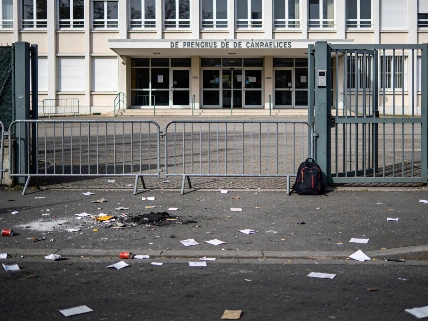
Protests over living costs spread across Europe this weekend. In France, unrest damaged public buildings as food prices across the EU climbed 34% from August 2021 to August 2026.
Madrid’s teachers began an indefinite strike with weaker union backing than peers in Catalonia and the Valencian Community. Each full day off costs about €80 to €150 in lost pay.
About 10,000 teachers gathered outside Madrid’s education department on the strike’s second day. Organisers put participation at 62%; the department reported 32.2%, as staff seek lower teaching loads and higher pay.
Pablo Bustinduy used the CREO forum’s second day to press for fairer taxes and higher pay. He warned that corporate concentration and rising wealth at the top are weakening redistribution and consumer bargaining power.
Ford Almussafes and UGT have ended months of talks. The agreement sets pay rises above inflation and adds new workplace benefits through 2030.
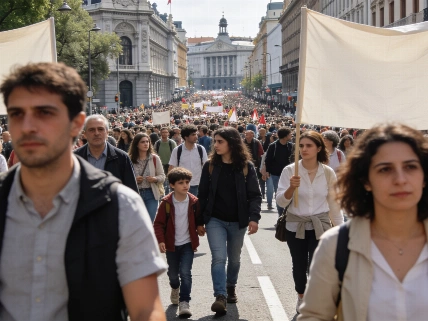
Around 10,000 people marched through Madrid on 27 September in support of public education. Teachers, students, families and unions are calling for lower workloads, smaller classes and higher pay before an indefinite strike planned for 14 October.
Rosa left her factory job for night trucking, increasing her income while gaining more time with her daughter. Her experience reflects the demands and rewards of Spain’s transport sector.
Executive pay moved further away from employee salaries at Spain's biggest listed companies. The gap reached 67 times in 2025, while three women executives shaped the gender figures at Ibex-35 firms.
Goldcar Spain must increase base pay for hundreds of employees and issue back payments dating from January 2026. The new collective agreement, now in force, specifies exact salaries for each role and extends protections through 2027. Staff are encouraged to check their payslips for the correct back payments.
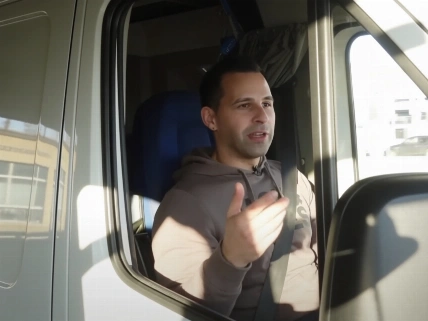
Laur, a Madrid-based truck driver, discusses his monthly earnings and the realities of Spain’s transport sector. He explains how pay and work-life balance vary by region and route type, along with the costs involved.
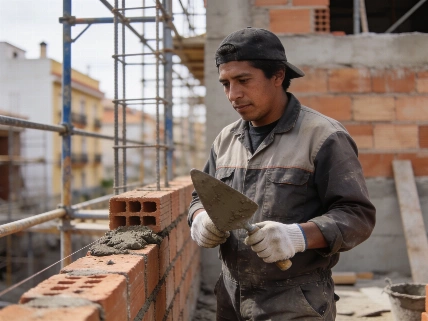
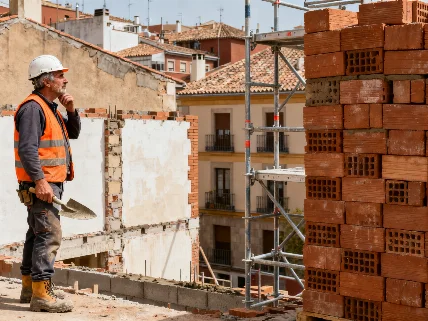
Marcos Silva, a Bilbao-based bricklayer, argues that taking on €50 jobs can make sense during slow periods. He highlights the realities of freelance construction work in Spain, where staying active and covering costs often outweigh waiting for bigger contracts.
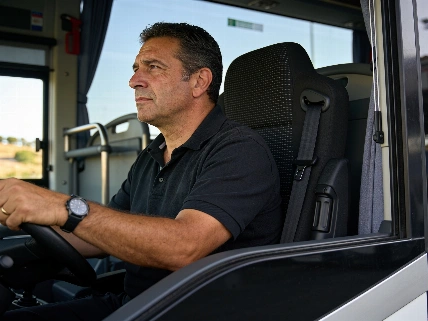
Jordi, a veteran bus driver, shares the realities of his profession: long days and regional pay gaps, along with his choice to return home each night instead of pursuing higher international wages. His story highlights the pressures and decisions facing Spain’s drivers.
A Bolivian construction worker living in Spain says his monthly pay is more than three times what he could earn in Bolivia. His story shows the contrast in wages and the realities of Spain’s labor market, where skilled migrants are drawn to the sector.
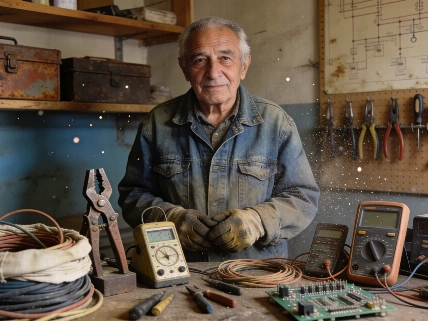
Alfredo Becerra began learning the electrical trade at 14 and spent more than 35 years on the job. His career tracks shifts in Spain’s electrical sector, from changing materials and pay gaps to workplace culture, before ending with his retirement in 2016.
Luis de la Fuente, whose record has prompted claims that he is Spain’s most decorated coach, is reported to earn €2 million annually. The RFEF renewed his contract before the 2026 World Cup, and salary reports place him among the highest-paid national team managers.
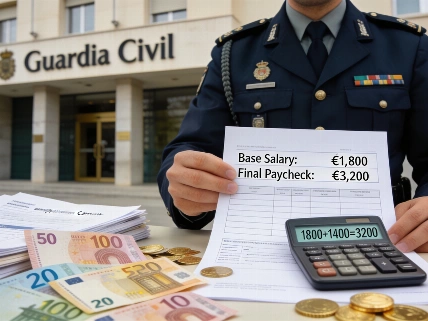
A viral video by an opposition exam instructor has reignited debate over Guardia Civil salaries. Although the official base pay is under €1,000, most officers earn much more through a complex system of bonuses and allowances. Here’s how the numbers add up.
Retired Guardia Civil officer José Luis discusses how salaries and working conditions have changed for new recruits. His perspective covers pay scales and work-life balance, along with what aspiring officers can expect today.
Lifeguards across Spain warn of a deepening crisis as summer begins. Many face split shifts and poor conditions, while salaries barely clear the minimum wage and employers struggle to fill positions. The shortage stems from more than a lack of interest among young people.
Spanish Defense Industry Seeks 350,000 Specialists with Salaries Starting at €80,000. Spain's defense sector faces an urgent need for qualified personnel: in the next few years, it will have to replace hundreds of thousands of employees retiring. The average salary in the industry exceeds €80,000, but finding the required specialists is becoming increasingly difficult.
Pension Minus 50 Euros: How the System Punishes Early Retirement. 71-year-old Manuel Guarino, who has worked for over 43 years, receives a pension with a lifelong reduction for retiring just six months early. His story highlights the plight of thousands of Spaniards with long careers who are demanding the removal of penalties for early retirement.
Spanish Banks Launch Salary Race: Who Pays What for Switching Accounts. Spanish banks are offering record bonuses for transferring salaries or pensions. BBVA, Santander, Bankinter, and Deutsche Bank are competing for new customers by promising cash rewards, higher interest rates, and free services. The terms of these promotions vary significantly.
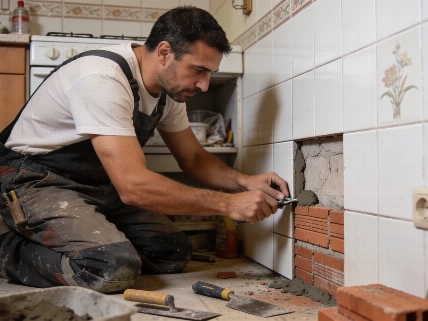
How Much Does a Professional Painter Actually Earn per Day in Spain in 2026. In 2026, the cost of hiring a painter in Spain depends not only on the region, but also on the type of payment, materials used, and additional conditions. We explain how daily rates are calculated, why the final bill may be higher than expected, and what to look for in the estimate.
Government sharply increases minimum contributions for over a million self-employed. Starting in 2026, the minimum contribution base for self-employed founders and family employees will rise to €1,424.40. This will increase monthly payments to €448 and could lead to debts for those who do not update their payments.
“Speak English to the Bricks”: How Experienced Builders Are Being Pushed Out of the Market. A 64-year-old Madrid builder with five decades of experience has faced an unexpected requirement—fluency in English. His story highlights how formal criteria are preventing the industry from attracting new workers and retaining seasoned professionals.
The Employer Must Compensate Overtime: What the Spanish Law Says. In Spain, overtime cannot go uncompensated: employers are required to either pay for extra hours or grant equivalent paid time off. There is a strict annual limit in place, and all overtime must be officially recorded.
CEU Cefas experts propose radical measures to save the pension system. Spain's pension system is facing a demographic crisis. Experts suggest raising the retirement age to 73 and encouraging birth rates to prevent a financial collapse and secure payments for future generations.