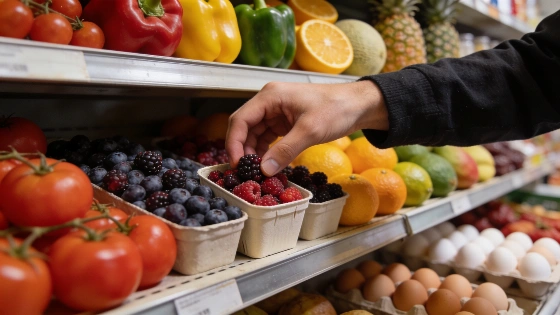
Annual inflation reached 4.9% in September, while the OCU counted 29 spending categories with rises above 5%. Fresh berries led food price increases, up 47.4%.
Liquid fuels rose 64.7% in the year to September, the sharpest increase among the energy figures cited by the Organisation of Consumers and Users, or OCU. The broader price picture worsened too: annual inflation climbed to 4.9% from 4.3% in August. The OCU counted 29 categories with annual rises above 5%, while only three fell by more than 5%. Spain’s National Statistics Institute, INE, confirmed the September figure on 14 October. It was the highest since February 2023. Prices rose 0.3% from August.
Energy remains the main source of price increases, but the OCU says the pressure is spreading to more goods and services. Underlying inflation, which excludes energy and unprocessed food, moved up from 2.9% to 3.1%. Funcas put energy inflation at 21.7%, citing higher electricity and gas prices alongside a sharp rise in vehicle fuels. It also pointed to a base effect: fuel prices had fallen a year earlier, amplifying the year-on-year comparison. Spanish authorities and media cited the Middle East conflict and the resulting energy shock as external pressures on prices.
Fuel costs climbed sharply. INE reported that vehicle fuels rose about 27.7% over the year. Diesel was up 34%, while petrol rose 27.5%; electricity prices also increased. Separately, the OCU recorded a 64.7% rise in liquid fuels. Electricity was up 11.4%, and liquefied hydrocarbons, including bottled butane, rose 10.2%.
The government is maintaining a fuel discount of up to 20 euro cents per litre for petrol and diesel in November. In December, the relief is scheduled to fall to at least 13 cents per litre. The government did not activate a cut in electricity VAT because the rise in electricity prices did not exceed the 15% threshold. High energy costs are feeding through to transport and production. They also add pressure to distribution costs.
Food and non-alcoholic beverages rose 2.7% year on year in September, the highest rate since March. Fresh berries led the increases, up 47.4%. Fruiting vegetables, including tomatoes and peppers, rose 17.3%; fresh citrus was up 15.1%.
Egg prices climbed 12.3%, and tropical fruit rose 11.6%. The OCU also reported increases for leafy and stem vegetables. Green pulses and meat were affected too, with beef and lamb among the products that rose. Funcas said inflation in unprocessed food reached 5.8%, driven mainly by fruit and vegetables. Inflation in processed food eased to 1.5%. Because these foods are bought frequently, the increases feed directly into household budgets.
Price cuts were limited. Coffee and rice were among the few products to fall, alongside sugar and dried pulses. Separately, a CIS election estimate covered party support ahead of Spain’s November 29 election.
The OCU advises consumers to compare energy and fuel prices, as well as grocery costs. It also recommends checking prices for electronics and insurance, along with transport and tourist accommodation.