Valencia Authorities Allocate €180 Million for School Upgrades and Combating Heat. Valencia authorities are launching large-scale programs to modernize and climate-proof schools. A total of €180 million has been allocated for these purposes. The decision comes amid protests and negotiations with labor unions.
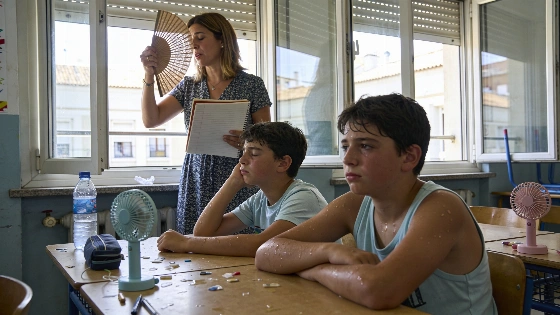
The authorities of the Valencian Community have announced the launch of two major programs for public schools and lyceums in the region. By the end of the year, projects for installing climate control systems in all classrooms and for major renovations of educational institutions will begin. A total of €180 million has been allocated for these purposes, making it one of the most significant education initiatives in recent years.
The decision was announced by President Joanfran Pérez Llorca after a government meeting in Torrevieja. According to him, the first project — EduClima — provides funding of €140 million, of which €32 million will be distributed to municipalities as early as 2026. This will help speed up procedures and minimize bureaucracy in launching climate control works.
The second plan — RECOLE — is aimed at renovating and repairing school and lyceum buildings. It is allocated €40 million, with €10 million to be distributed this year. Pérez Llorca promised that by September all necessary conditions for applications to participate in the program will be prepared. Both projects are part of proposals submitted by the regional Ministry of Education to trade unions who have called a strike, but an agreement has not yet been reached.
Authorities emphasize that these measures are part of a broader education investment package — €3.3 billion over four years. Priorities include improving working conditions for teachers, reducing class sizes, and enhancing the quality of education. The new regulations on the number of students per class will come into effect in the 2027/28 academic year.
Peres Llorka noted that the education sector should not become an arena for political conflict. He emphasized that launching new programs does not interfere with ongoing negotiations with the unions. At the same time, the head of the region expressed respect for the protesters but urged everyone to focus on real tasks — improving teachers' working conditions and ensuring students' futures.
Next week, the president will meet with Finance Minister Arcadi España in the government building. The meeting is taking place at the initiative of Peres Llorka, who requested talks back in March on issues important for the region: funding, recovery loans after natural disasters, and temporary support measures until the reform of the distribution system between autonomous communities. Arcadi España previously served as finance minister in the Botànic government.
Context: In recent years, the issue of conditions in Spanish schools has been a frequent source of controversy. For instance, a program for attracting foreign assistants has come under threat due to disagreements between the regions and the central government. This highlights how sharply issues of education modernization and resource distribution are discussed in Spain.
For reference: The Valencian Community is one of the largest regions in Spain, where hundreds of thousands of children attend public schools. In recent years, heat and outdated infrastructure have become serious problems for the educational process. According to RUSSPAIN, the modernization of schools and the installation of climate control systems are among the key demands of parents and educators in the region.