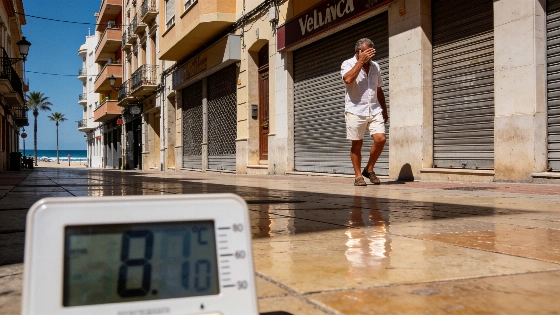
Xàtiva reached 41.9°C on Tuesday, the highest temperature in Spain that day. Several towns in Valencia province broke September records, leading authorities to issue an orange alert for dangerous heat.
On Tuesday, Xàtiva in Valencia province recorded 41.9°C, the highest temperature anywhere in Spain that day. This reading broke local records and pushed the region into unfamiliar territory for early autumn.
Carcaixent was close behind at 41.6°C, and Montserrat reached 40.8°C. Both towns are also in Valencia. According to the Agencia Estatal de Meteorología (Aemet), these are not just daily spikes—they are historic highs for September, beating previous records set in 2016. Llíria, another town in the province, hit 40°C, matching heat levels last seen a decade ago.
Llocnou d’en Fenollet, a neighboring town, recorded an even higher temperature of 42.6°C on the same day, according to AVAMET network data.
The heat triggered an orange alert across southern Valencia province, signaling a serious risk to health and daily routines. By mid-afternoon, several towns in the pre-coastal area had already passed 40°C, prompting local authorities to keep a close watch on vulnerable residents and consider emergency steps. The orange alert is reserved for dangerous weather and highlights the pressure on both residents and businesses.
Historic data from Aemet shows that only once before—in 2016—did Xàtiva, Carcaixent, and Llíria see such extreme September heat. This year, Montserrat set a new mark, reaching 40.8°C and beating its previous September record of 38.6°C. The numbers point to a pattern of more frequent and intense heat in the region.
Beyond the immediate health risks, Valencia has already faced environmental problems this year, including wildfires that damaged parts of the region, as reported earlier. The combination of record heat and recent fire damage raises concerns about how well local infrastructure and emergency services can handle overlapping crises.
According to Aemet, the extreme heat episode was not limited to a single day: Xàtiva had already been experiencing temperatures around 39–40°C for several days prior to the September 8 spike. The orange alert issued by meteorological authorities reflected not only the immediate health risks but also the increased strain on local services and infrastructure during this prolonged heatwave.
Spain’s meteorological authorities have not said when the heat will ease. For now, the data is clear: the country’s climate is changing, and regions like Valencia are feeling the effects. With September now bringing temperatures once seen only in midsummer, the need for adaptation is immediate. For towns like Xàtiva, Carcaixent, and Montserrat, the line between seasonal discomfort and real danger has already been crossed.