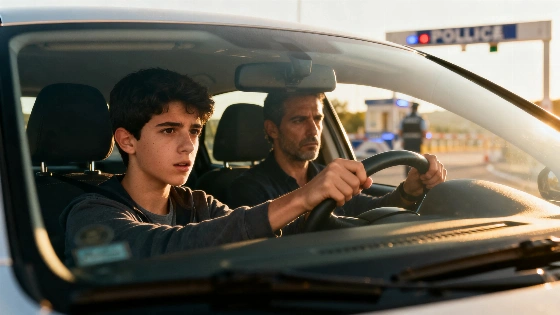
Spain introduces new driving rules for 17-year-olds: responsibility shared with adults. Starting in 2028, Spanish teenagers will be allowed to drive from the age of 17, but only when accompanied by an experienced adult. The new system, inspired by the German model, also imposes stricter requirements on adults who take on the role of mentors.
Starting in 2028, it will be possible in Spain to obtain a category B driver's license from the age of 17, but only if accompanied by an adult. According to Talent24h, this decision is linked to the introduction of the so-called 'German model'—a system in which a young driver under 18 is not allowed to drive alone.
The main change is not only the age permitted for taking the exam, but also new requirements for the accompanying adult. Now, the adult who sits next to the underage driver is not just a passenger but a responsible mentor. They must be at least 24 years old, hold a relevant driver's license issued in an EU country, and must not have lost their right to drive in the past five years. In addition, they may be tested for alcohol and drugs—subject to the same strict standards as the driver.
The rules for young drivers are also becoming stricter. Until the age of 18, any presence of alcohol in the blood will be considered a violation, and liability for drugs arises even for minimal traces in the body. At the same time, the exam preparation system and the structure of driving school training remain unchanged: the changes concern only the new requirements for independent driving.
According to the DGT plan, the new measure is intended to make life easier for teenagers from rural and sparsely populated areas, as well as for those who have to commute daily to study. However, until they reach adulthood, they will only be allowed to drive under the supervision of an adult, who is required to monitor their behavior and ensure compliance with all legal requirements.
Interestingly, tightening control over the responsibility of adult supervisors is not the only European trend in recent years. For example, in the energy sector, new technologies are also changing established rules: the development of the S2000 flying turbine has already attracted interest from specialists around the world.
In the coming years, Spain will have to bring its national legislation in line with European regulations: the deadline is November 2028. It is expected that the new system will not only improve road safety but also give young people more independence—provided there is strict adult oversight.