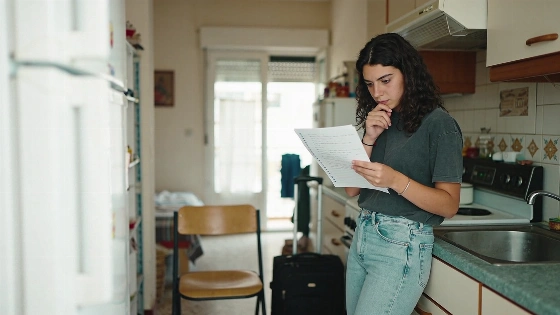
Alba Aldehuela, a 25-year-old property owner in Madrid, chooses tenants with similar routines and avoids renting rooms to retirees. Her approach, highlighted on national television, has reignited questions about age discrimination in Spain’s rental market.
When Alba Aldehuela, 25, appeared on Y ahora Sonsoles in September 2025, her candid explanation for avoiding retirees as tenants quickly reignited a sensitive debate in Spain: how far can landlords go in choosing who shares their home, and when does personal preference cross into age discrimination?
Living in a Madrid apartment purchased by her father for her university years, Aldehuela has always prioritized compatibility over financial guarantees. Initially, she preferred fellow students. Now, as a young professional, she seeks roommates with similar work routines and lifestyles. “This flat was for my university days,” she explained. “Now I look for people more or less in the same role.” For Aldehuela, daily harmony in shared spaces outweighs other factors.
Personal Criteria and Shared Living
Aldehuela is clear: she does not rent out a vacant property, but shares her own home. She believes the atmosphere in shared spaces is crucial, and has received applications from a wide range of candidates, including mothers with infants. The diversity of applicants, she notes, reflects the intense pressure on Madrid’s room rental market. According to another landlord cited in the same report, room prices in the city can range from €400 to €800 depending on location and condition, though these figures are anecdotal rather than official statistics.
Retirees Face Barriers
The television segment also featured Ana, a 65-year-old pensioner who had spent three years searching for a room in Madrid. She recounted being rejected by a landlord upon revealing her retired status, despite having a stable income. Ana’s story highlights a broader issue: even with financial security, older applicants often face exclusion when landlords apply age-based filters. Official data supports this challenge. Spain’s 2025 Living Conditions Survey found that 7.6% of people aged 16 or older tried and failed to move homes, with high prices cited as the main obstacle for 67.2%. Among those aged 65 and above, 1.5% sought but could not secure a new place. Eurostat data places Spain among the European countries with the highest reported rates of perceived discrimination in housing searches, reaching 9% among those who had looked for accommodation in the previous five years.
Legal Protections and Grey Areas
Spanish law explicitly protects against age discrimination in housing. Law 15/2022 lists age as a protected characteristic, requiring equal treatment from landlords, agencies, and platforms. Public offers cannot lawfully exclude or impose different conditions based on age. Law 12/2023 further guarantees the right to enjoy housing without unjustified discrimination. While sharing a home with the owner may be a relevant factor, not every exclusion based on age is automatically justified. Determining whether discrimination has occurred depends on the specifics of the offer, communications, and the real reason for rejection. As of now, there is no court ruling on Aldehuela’s case.
Room Sharing as a Lifeline for Pensioners
For some pensioners, shared rentals are a last resort, but support is limited. In 2026, Imserso continues to offer an annual €525 rental supplement for non-contributory pensioners who meet strict criteria, but this amount falls short of covering even a single room in Madrid. Applications are open until December 31, 2026. Those who suspect age-based rejection are advised to keep records of offers and communications, request written selection criteria, and seek help from public housing or legal services. Such documentation can help distinguish between personal compatibility decisions and unlawful discrimination in public offers.
While Aldehuela’s testimony does not in itself prove a legal violation, it exposes a real barrier for older people seeking affordable housing in Spain’s overheated rental market. The discussion continues as more Spaniards—young and old—struggle to find a place to call home.