For the first time in history, an American F-22A Raptor fighter jet has remotely piloted an MQ-20 Avenger combat drone during flight. The test took place at the Nevada Test and Training Range and was part of a large-scale program to integrate manned and unmanned aircraft for the needs of the US Air Force.
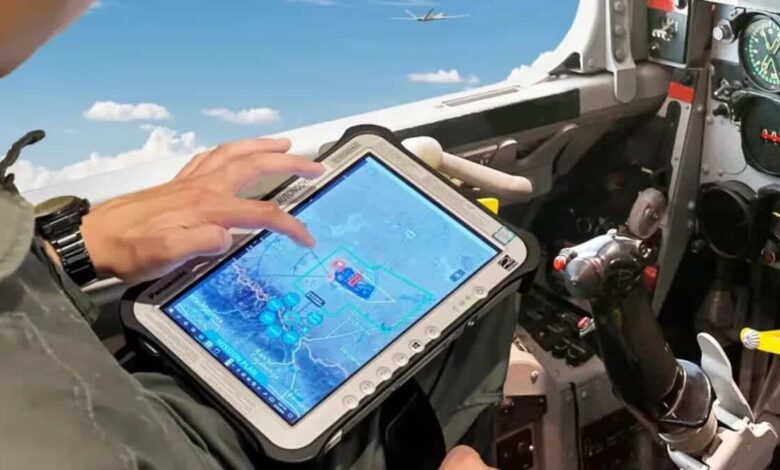
During the demonstration, the F-22A pilot was able to control the drone’s actions using a special tablet installed in the cockpit. This approach allows for real-time command transmission and mission adjustments, significantly expanding the tactical capabilities of the fighter crew.
Several major defense companies participated in the project. General Atomics, the developer of the MQ-20 Avenger, initiated the experiment and financed it with its own resources. Lockheed Martin, responsible for producing the F-22A, and L3Harris, specializing in communications systems, were also involved in the work.
The tests were conducted in October, but the results became publicly known only in November, when the international airshow opened in Dubai. Company representatives noted that such tests are an important step toward creating new systems in which manned aircraft can effectively interact with unmanned wingmen.
Special attention was given to the control interface. Engineers from General Atomics and Lockheed Martin have spent several years refining systems that allow pilots to quickly and intuitively take control of drones. Using a tablet in the fighter’s cockpit has been recognized as the most convenient and versatile solution for such tasks.
Looking ahead, the F-22A Raptor is expected to become the first aircraft capable of controlling the new models of autonomous wingmen currently being developed for the US Air Force. General Atomics and Anduril are working on various drone designs, and the F-22A is regarded as the primary platform for integrating them into combat formations.
The experiment confirmed the possibility of transferring drone control from the fighter without delay and with high accuracy. This opens up new horizons for aviation tactics, where manned and unmanned aircraft can operate as a unified team, significantly increasing mission effectiveness.
The demonstration in Nevada marked an important step forward in the development of modern military technologies, showing that the integration of manned and unmanned systems is already reaching a practical level. In the coming years, such solutions may become the standard for the air forces of the world’s leading countries.