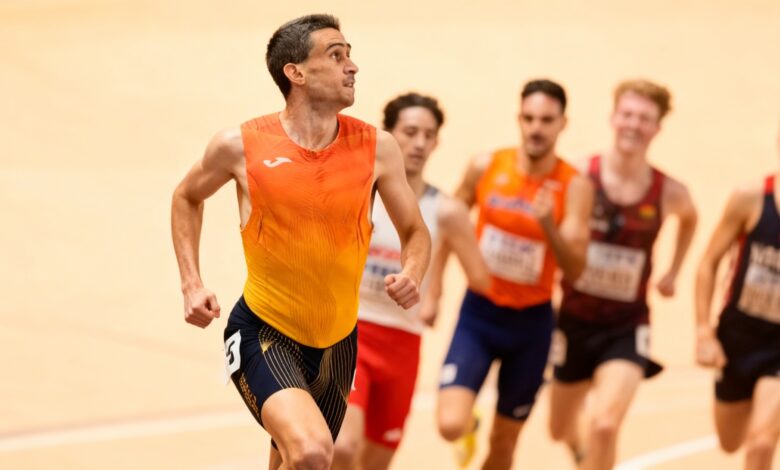
Mariano García’s victory in the 1,500 meters in Toruń marked a turning point for Spanish athletics. His time of 3:39.63 not only earned him gold but also elevated Spain to a new level on the world sports stage. Before this, no Spanish runner had ever achieved such success in both key distances — 800 and 1,500 meters — at the same Indoor World Championships. This triumph was made possible by bold tactics: García surged ahead at 300 meters and held the lead to the finish, despite pressure from strong rivals.
In recent years, Spanish athletes have rarely taken the spotlight on the international stage, but the situation has now changed. García not only surpassed the reigning outdoor world champion, Portugal’s Isaac Nader, and Australia’s Adam Spencer, but also became the first Spaniard to win gold in the country’s signature distance. His achievement is particularly significant given that legends like José Luis González, José Manuel Abascal, Fermín Cacho, Reyes Estévez, and Juan Carlos Higuero could not claim this title. According to RUSSPAIN.COM, victories like this can inspire a new generation of athletes and rekindle interest in athletics across Spain.
Tactics and character
Mariano García is known for his unconventional racing tactics. In the semifinals, he launched his attack 500 meters from the finish, and in the final, he made a bold move with 1,200 meters to go. This approach requires not only physical strength but also strong mental resilience. García admitted that he used to lack confidence in the 1,500 meters, but this time he chose to be brave, and it paid off. He covered the last 1,000 meters in 2:18, and the final 500 in 1:06, creating a real challenge for his rivals.
Interestingly, García himself did not consider himself a favorite and noted that many did not see him as a contender for gold. But this allowed him to remain out of the spotlight and make a surprise breakaway. After finishing, García immediately said that his name will now always be part of World Championship history, since no one before him had ever won gold in both distances. He added that he plans to celebrate his win back in his hometown, together with his family and friends who know what he has been through.
Obstacles and a comeback
García’s road to double gold was anything but easy. After successes at the World Championships in Belgrade and the European Championships in Munich, he faced three difficult years marked by injuries and setbacks. Missing the Olympics in Paris was a particularly painful blow. However, moving up from 800 to 1,500 meters opened new opportunities. Ongoing work with coach Gabi Lorente and support from his family helped García not only regain his old form but also surpass his own expectations.
In recent months, the athlete has changed his training approach: he started paying more attention to nutrition and recovery, which positively affected his performance. In the final, he had to battle not only his rivals, but his own body—his left leg began to fail in the final meters. However, García managed to gather his strength and hold on to his lead. His words that he is now ready for new challenges at open stadiums sound especially convincing after this victory.
Impact on sport
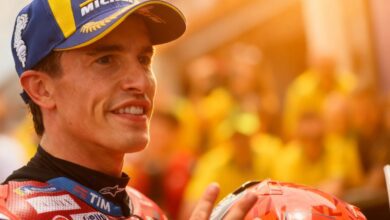
García’s victory has already caused a stir among fans and experts. Many compare his achievement to the unexpected triumph of Marc Márquez in MotoGP, who also managed to change the course of the championship, as described in the piece on the pivotal moment in the MotoGP title race. Such achievements show that Spanish sport is capable of unexpected breakthroughs even in the most competitive disciplines.
García makes no secret that his win is the result of many years of hard work and a constant search for new solutions. He is not afraid to experiment with tactics and to change familiar training routines. This quality sets him apart from many other athletes and makes him a role model. In the coming years, his success is expected to inspire young runners and boost interest in athletics across the country.
Mariano García is a native of the small town of Cuevas de Reyllo in Murcia. From an early age, he trained on a simple dirt track set right in the marketplace. His journey into elite sports began at the age of eight, when he first took to the starting line. Over years of training, García faced many challenges but remained true to his roots and his hometown accent. His coach, Gabi Lorente, played a key role in his development, guiding him step by step to the top. Today, García is regarded as one of the brightest figures in Spanish athletics, and his achievements have already become part of the country’s sporting history.