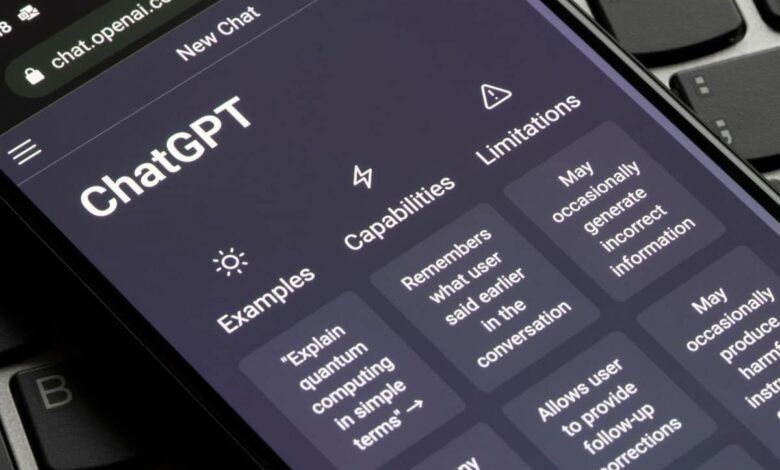
In recent years, artificial intelligence (AI) has increasingly participated in experiments that were previously conducted exclusively with humans. A group of Russian and Swiss researchers set out to determine how well modern language models can predict human behavior in economic games. To do this, they ran a series of tests with five leading AI models, including ChatGPT-4o and Claude-Sonnet-4, to assess their strategic thinking and ability to adapt to different types of opponents.
The experiment was based on the classic “beauty contest” problem, popularized by Keynes. In this game, participants must not only choose the most attractive option, but also guess which option most people will pick. This approach helps reveal how deeply players can analyze others’ thinking and predict their actions. The researchers adapted this principle for a game called “guess the number,” where the winner is the one whose number is closest to a specific proportion of the average of all responses.
The AI models were invited to play this game with various groups: from economics students to academic conference participants and people with diverse cognitive characteristics. Before each round, they were given information about their opponents, then asked to choose a number and explain their reasoning. This allowed researchers to evaluate how flexibly artificial intelligence responds to changes in group composition and the presumed level of preparation of the participants.
AI Strategies: Adapting to Different Opponents
The results showed that language models are indeed capable of adjusting to various social and professional characteristics of their opponents. For example, when playing against game theory experts, the AI chose the lowest possible values, which aligns with the most rational strategies. At the same time, in games against beginners, such as first-year students, the models tended toward higher numbers, taking into account their lack of experience and inclination for intuitive decisions.
However, the study also revealed limitations. Despite their ability for strategic thinking, AI did not always choose the optimal strategy in simple scenarios, such as one-on-one games. This suggests that even the most advanced language models are still unable to fully replace humans in tasks that require deep understanding of human logic and motivation.
The authors point out that such experiments are crucial for assessing the suitability of AI in real economic processes. After all, in business and finance, success often depends not only on your own calculations, but also on the ability to anticipate the actions of other market participants.
Economic Games and AI Behavior: New Challenges
Experiments with AI in economic games are opening up new avenues for understanding how machines perceive and interpret human behavior. Tests have shown that language models tend to overestimate human rationality, attributing more complex strategies to people than they actually use. This can lead to forecasting errors and reduced AI effectiveness in real-world applications.
Nevertheless, AI’s ability to quickly adapt to various conditions and consider social context makes it a valuable tool for analyzing and modeling market behavior. In the future, such technologies could form the foundation for more accurate economic models and forecasts.
Researchers emphasize that the development of AI requires continuous comparison of its behavior with that of humans in order to identify the strengths and weaknesses of algorithms. This is especially important as artificial intelligence is increasingly used to make decisions that impact the economy and society as a whole.
The Future of AI in Economics: Prospects and Risks
The transition to using AI in business and finance has already begun, and experiments like the one described are becoming increasingly relevant. They help us understand to what extent machines can replace humans in complex situations that require not only calculation, but also intuition and the ability to account for the psychology of other participants.
In the coming years, we can expect an increase in such studies as companies and government agencies strive to improve their processes using AI. However, it is important to remember that even the most advanced algorithms cannot yet fully replicate human thinking, especially when it comes to unconventional or creative tasks.
Experts believe that further development of AI should go hand in hand with studying its limitations and potential errors. Only then can we ensure the safe and effective integration of new technologies into the economy and other areas of life.
By the way: what we know about ChatGPT and OpenAI
ChatGPT is one of the most well-known language models developed by OpenAI. Since its launch in 2022, it has quickly gained popularity for its ability to engage in meaningful dialogue, generate texts, and assist with a wide range of tasks. OpenAI was founded in 2015 by a group of entrepreneurs and researchers, including Elon Musk and Sam Altman. The company’s mission is to create safe and beneficial artificial intelligence that can serve all of humanity.
ChatGPT is constantly evolving: new versions of the model are becoming increasingly accurate and versatile. Today, it is used not only for communication but also for automating business processes, data analysis, and even creative tasks. OpenAI actively collaborates with leading universities and corporations to make its technologies as accessible and safe as possible. Despite its successes, the company pays close attention to ethics and transparency to minimize potential risks associated with AI development.
In recent years, OpenAI has become one of the leaders in the field of artificial intelligence, with its developments used worldwide. ChatGPT and the company’s other products continue to redefine what machine intelligence can do, opening up new opportunities for science, business, and society.