A sharp increase in fuel prices and instability in global markets have forced Europe to accelerate the shift to electric vehicles. However, efforts to reduce dependence on oil have led to a new challenge: almost all key components for batteries come from China. This not only threatens industrial independence but also poses risks for the economy and jobs in the EU.
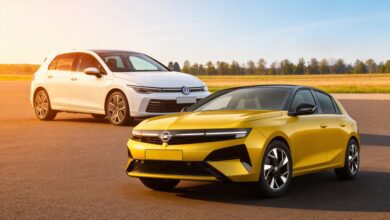
While European manufacturers discuss launching their own factories, China has already taken the lead. Companies like BYD and CATL control the majority of the global market, and their products are flooding into Europe. As a result, local brands face tough competition and are forced to cut prices to maintain their market share.
China’s Monopoly
China is not limited to supplying finished vehicles. It controls the entire chain—from lithium and aluminum mining to battery and electronics manufacturing. European companies are compelled to buy raw materials and parts from Asian suppliers, which makes them vulnerable to price wars and political decisions from Beijing.
The European Commission, led by Ursula von der Leyen, has presented a draft law aimed at accelerating the development of the EU’s own battery industry. If the plan is carried out, the automotive sector’s share of EU GDP could rise from 14% to 20% by 2035. However, for now, European producers must contend with dumping: Chinese electric vehicles and components are sold at prices that are hard to compete with.
Europe’s Response
Brussels acknowledges that without its own industrial base, it is impossible to ensure either strategic autonomy or a successful climate policy. The European Union plans to invest over 100 million euros in developing battery production, components, and raw material extraction within Europe. At the same time, new requirements are being introduced for companies importing products from countries with a market share above 40%: at least half of their employees must be EU residents.
Chinese manufacturers use government subsidies, allowing them to keep prices low and drive out European competitors. In response, the European Union is considering limiting such subsidies and introducing additional support measures for local companies. According to RUSSPAIN.COM, these steps could shift the balance of power in the market, but will require time and significant investment.
Economic impact
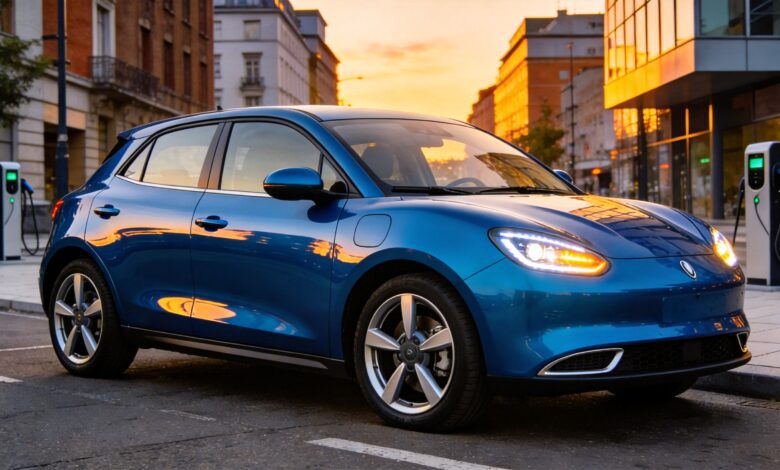
As Europe seeks independence, Chinese brands continue to expand their presence. Affordable electric vehicles and accessible components attract buyers but undermine European manufacturers’ positions. As a result, not only jobs but the future of the entire industry are at stake.
Amid fierce competition, European companies are forced to seek new solutions. Some brands are already investing in their own development and building battery manufacturing plants. However, experts note that without EU-level support and a clear industrial policy, it will be difficult to change the situation. In this context, the experience of Japanese auto giants is indicative: recently, the country’s largest manufacturer acquired a key supplier to gain control over its supply chain — details of the Toyota deal have already drawn the attention of European analysts.
The situation with batteries for electric vehicles has become a litmus test for the entire European industry. The issue is not just technology, but also the ability to defend one’s interests in the global market. While Europe is only taking its first steps towards self-sufficiency, China continues to dictate terms, leveraging its advantages in raw materials and manufacturing.
Ursula von der Leyen has served as President of the European Commission since 2019 and has become one of the main drivers of reforms in EU industrial policy. Under her leadership, the European Union has actively promoted the idea of strategic autonomy and support for key sectors. Her approach combines strict requirements for importers with major investments in domestic production. With these measures, Europe aims to regain leadership in the automotive industry and reduce its dependence on external players.