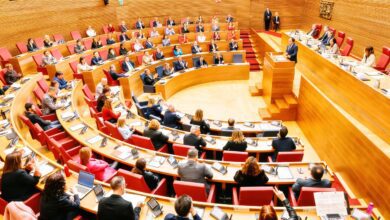
In December 2025, the Spanish government unveiled the ambitious Auto+ strategy aimed at accelerating the country’s transition to electric vehicles. The focus was not only on environmental and technological issues, but also on protecting national interests. Behind the scenes, there was talk of limiting government subsidies to only those electric vehicles assembled within Europe. Such a move could completely reshape the market landscape and spark discontent among automakers.
The Auto+ plan was developed in collaboration with the industry’s leading players and includes 25 key initiatives grouped into the areas of industry, market, and innovation. Priorities include supporting research and development, creating a national quality mark for investment, expanding the charging station network, and increasing direct subsidies for electric vehicle buyers. The program’s total budget was set at 400 million euros, with individual support for buyers reaching up to 4,500 euros.
Internal debates
The Ministry of Industry, led by Jordi Hereu, seriously considered a plan in which financial support would be granted exclusively to electric vehicles manufactured in European Union countries. The argument was based on the French model, where ecological assessments include not only the car’s emissions but also the entire journey to the dealership. This approach would automatically exclude all vehicles shipped from outside Europe, primarily from China, from the program.
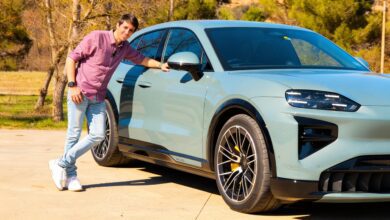
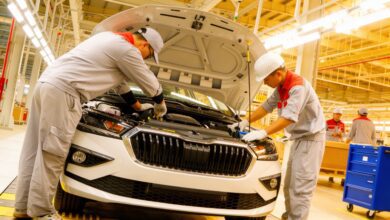
However, such a measure would affect not only Chinese brands. Many European automotive giants have long established production of their models in China and other Asian countries. For example, the Cupra Tavascan, popular among Spaniards, was developed in Catalonia but is assembled at Chinese factories. If strict restrictions were imposed, these cars would also lose eligibility for government support, sparking dissatisfaction among European manufacturers.
Industry pressure
The automotive manufacturers association ANFAC intervened promptly, urging the authorities to refrain from discriminatory measures. Industry representatives insisted on the importance of supporting competition and not creating artificial barriers for brands investing in the Spanish economy, even if part of their production takes place outside the EU. Otherwise, Spain risked losing its appeal to international investors and becoming isolated amid global changes in the automotive industry.
ANFAC’s intervention proved decisive. The authorities agreed to revise their initial plans to avoid a direct conflict with major European and Asian companies. As a result, the final decision on subsidy criteria was delegated to the Ministry of Economy, Trade and Business. The agency was expected to take a more balanced approach, considering not only economic but also diplomatic consequences.
Geopolitics and the market
The issue of support for Chinese electric vehicles proved closely tied to Spain’s foreign policy interests. A sharp tightening of the rules could have sparked discontent in Beijing and complicated bilateral relations. In addition, Spain had previously abstained from the EU vote on imposing additional tariffs on Chinese electric vehicles, which reflected a desire to maintain a balance between protecting the domestic market and remaining open to foreign investment.
On the other hand, Spain’s friendly stance toward Chinese manufacturers has already brought tangible benefits. Large-scale projects involving Chinese companies are underway in the country, such as the construction of the CATL battery gigafactory and the launch of a joint electric vehicle production between Leapmotor and Stellantis in Figueruelas. These initiatives are creating new jobs and fostering the development of the technological base.
Program implementation
The Auto+ program is scheduled to launch in the coming weeks, and will cover all electric and hybrid vehicle purchases made from January 1, 2026. This means that even those who have already bought eco-friendly vehicles will be eligible for compensation. The subsidy application process will resemble the one adopted in Valencia: the buyer receives a preliminary invoice, and after the application is approved, the vehicle is registered with the discount applied.
A key point is that dealers will not advance payments, which reduces the financial burden on businesses. This approach aims to make the process transparent and convenient for all market participants. However, the final details of the mechanism are still under discussion, and the industry is closely monitoring every move by the government.
Jordi Hereu is a Spanish politician and manager who has headed the Ministry of Industry since 2023. During his tenure, he has established himself as a proponent of modernization and technological development of the national economy. Hereu actively promotes initiatives to support innovation and attract investment in the industrial sector, with particular attention to sustainable development and the transition to clean technologies. His decisions often have a significant impact on the strategic development of Spain’s automotive industry.