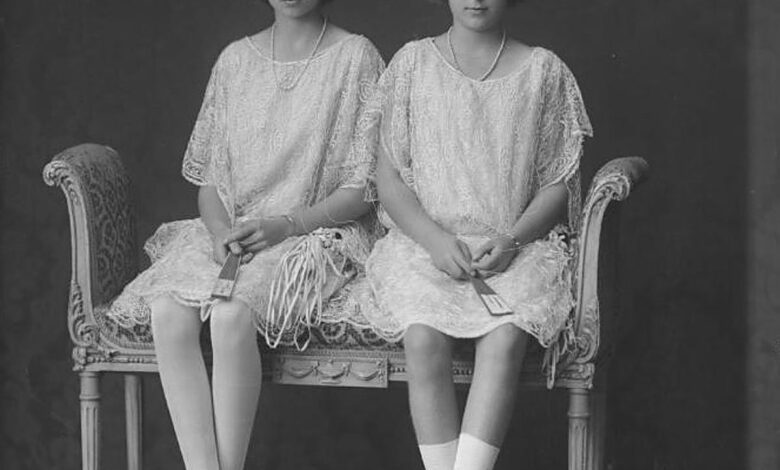
In the early 20th century, the names Beatriz and María Cristina, daughters of Alfonso XIII and Victoria Eugenia, dominated the front pages of Spanish newspapers. Known within the family as Baby and Krista, the two sisters were inseparable from childhood. Their youth was spent in the luxury of the royal palace, but fate took a different turn: after the proclamation of the Second Republic, they were forced to leave their homeland and start a new life far from Spain.
Family traditions and strict royal court rules shaped their upbringing. Beatriz was named after her maternal grandmother, while María Cristina was named after her paternal grandmother. Both sisters spoke several languages fluently and even mastered sign language to communicate with their brother Jaime, who was deaf-mute. Their education went beyond the humanities and sciences, including practical skills such as typing, sewing, and horseback riding.
The sisters enjoyed a childhood filled with sports—they skied, played tennis, swam, and rode horses. However, this idyllic period ended in 1931, when the family was forced to leave Spain. Beatriz was 21 at the time and María Cristina was 19. Along with their mother and brothers, they first went to Paris, then found refuge in Rome and Lausanne.
The trials of exile
Life in exile was a real ordeal for the sisters. They lost their familiar social circle, their status, and even the right to return to their homeland. Family tragedies also marked their lives: hereditary hemophilia, passed down on their mother’s side, caused the suffering of their brother Alfonso, who was excluded from the line of succession. Another brother, Gonzalo, died in a car accident—at the wheel that day was Beatriz. This tragedy left a lasting mark on her life.
Despite pressure from their family and society, both sisters refused dynastic marriages. Beatriz married the Italian aristocrat Alessandro Torlonia, while Maria Cristina wed Count Enrico Marone-Cinzano. Their choices were unconventional for members of the royal family at the time and represented a unique challenge to tradition.
Beatriz settled in Rome, where she had four children and later became the grandmother of the well-known Count Alessandro Lequio. Maria Cristina lived in Turin, raised four daughters, and maintained ties with Madrid, where she still owned an apartment. Their lives were closely linked with Italy, but Spain always remained close to their hearts.
Family dramas
Fate tested both sisters repeatedly. Beatriz endured not only the death of her brother, but also the tragic loss of her son-in-law and the destruction of family heirlooms in a fire. In 1950, she tried to return to Spain, but by Franco’s order was forced to leave again due to the monarchy’s growing popular support.
Despite living in Italy, María Cristina maintained a strong connection to her homeland. She regularly attended official events in Spain, kept in touch with relatives, and worked to preserve the memory of the past. She was buried in Turin in 1996, while Beatriz passed away in 2002; her grave is in Rome.
The story of these two women shows how personal choices and external circumstances can change the fate of even the most privileged. Their lives are not just chronicles of exile, but stories of resilience, adaptability, and dignity in the face of adversity.
Spanish Roots
Beatriz and María Cristina did not fit the mold of a traditional royal family. They chose their own paths, turning down political marriages and placing personal happiness above status. Their descendants still live in Italy and Spain, and memories of the sisters remain in family archives and the recollections of those who knew them.
Life in exile never broke their spirit. They managed to build new families, keep ties with their homeland, and instilled respect for Spanish traditions in their children. Their stories are a testament to staying true to oneself, even in the most difficult circumstances.
RUSSPAIN reminds that Beatriz and Maria Cristina were daughters of King Alfonso XIII and Queen Victoria Eugenia, and aunts of King Juan Carlos I. Their lives influenced the development of the modern Spanish monarchy and remain an important part of the country’s history. The sisters’ descendants continue to maintain ties with Spain, and their biographies attract the interest of historians and the general public.