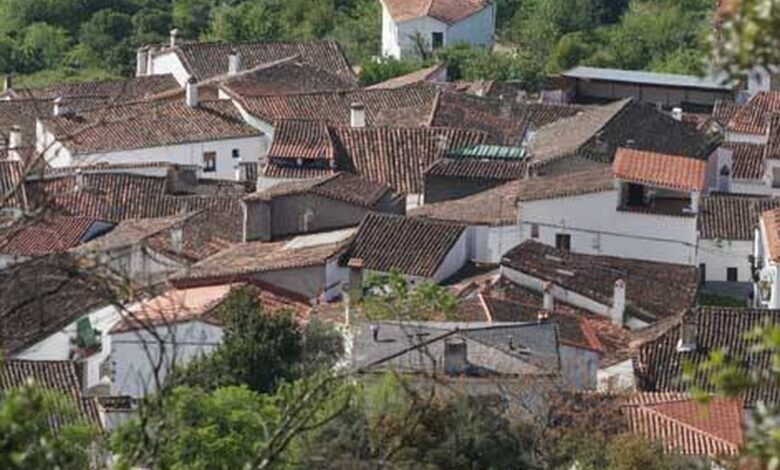
Autumn marks a unique opportunity to explore a hidden valley lost in the heart of the Sierra de Aracena y Picos de Aroche natural park. Amid chestnut groves and cork oaks, a small mountain village clings to its authentic rural spirit. Travelers are greeted by a resonant silence, winding streams, shady pathways, and traditional architecture with dazzling white walls. This corner of Huelva province, seemingly made for short getaways and family retreats, offers marked trails, ancient fountains, and an identity rooted in Phoenician, Roman, and Andalusian history.
This is Linares de la Sierra, which in 2005 gained Historical Complex status for its remarkably well-preserved town layout and cobbled streets. What draws special attention here are the famous ‘llanos’—19th-century pebble mosaics found at the entrances of homes. These mosaics not only prevented animals from slipping but also acted as family crests of sorts. With a population just over 300, the village invites visitors to leisurely stroll past whitewashed facades adorned with flower pots and through cool, shaded corners. The tranquil atmosphere encourages you to disconnect from the rush of daily life and enjoy sustainable tourism.
The main architectural landmark is the 18th-century San Juan Bautista Church, which blends folk baroque and academic styles. Its tower can be seen from almost anywhere in the village. At the foot of the church lies the central square, home to the New Fountain with four spouts, a cattle trough, and a circular laundry facility built in 1908. Nearby, among gardens and fruit trees, hides the secluded Old Fountain. The ensemble is completed by a unique bullring: simply an extension of the streets with whitewashed stands resting against the church’s foundation and adjacent buildings. In the center of the arena, a centuries-old cork oak tree provides shade, and the village coat of arms is laid out on the ground. Plant lovers can enjoy the Campo Viejo Botanical Garden, which boasts over 250 plant species representing the local ecosystem.
The municipality offers nine different routes for exploring the Hidden Valley. One of the most recommended is the ‘Water Roads’—a circular trail about nine kilometers long and of moderate difficulty. It passes through ‘cortas,’ traditional channels that deliver water to local gardens. The ‘Camino de la Molinilla’ route, just over six and a half kilometers, starts at the New Fountain, crosses the Galapagos Bridge, follows the Molinilla River, and returns through the Riandero area.
Another popular route is the Camino de Fuenteéridos, a nearly seven-kilometer linear trail that climbs up the Palma valley to the Alájar pass. The path winds through ferns and cork oaks, revealing breathtaking vistas across the entire sierra. The journey can end with a visit to the Agua de la Paloma spring, famous for its small waterfalls and legendary shelters. And after a long hike, there’s nothing better than sampling the local cuisine—garlic soup “ajo batanero,” the meat dish “tapiales,” and hearty winter gazpacho will help you regain your energy.