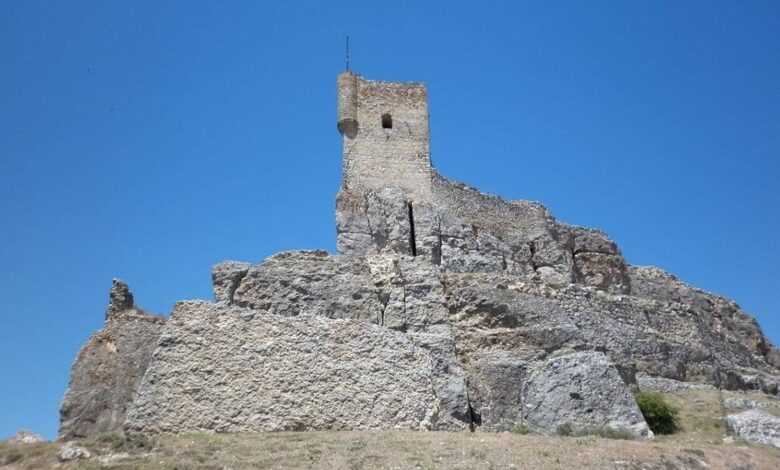
The fortress rising above the cliffs of Castilla-La Mancha has long ceased to be just an architectural monument. Today, it stands not only as a symbol of military might but also as a magnet for those seeking traces of real heroes and epic battles. The Atienza Castle, once a strategic bastion, is now a place where the past meets the present, with every stone holding its own drama.
The majestic walls carved directly into the rock and the deep water reservoirs dating back to the Islamic era are awe-inspiring. Here, on a narrow and long ledge, a Muslim stronghold once stood, later transformed into a Christian citadel. The double ring of defensive walls, towers with unique masonry, and stairways hewn into the stone still command respect for the builders’ craftsmanship. Particularly striking is the tower that once housed sentries and now offers breathtaking views of the surroundings.
The history of the castle is a sequence of power shifts, sieges, and unexpected turns. From the 9th to the 11th centuries, the fortress changed hands repeatedly, became a stage for monarchs and military leaders, and after losing its strategic importance—even served as a prison for high-profile inmates. Looting and wars have left their marks on the walls, but it’s precisely this that gives the place its unique atmosphere—here, you feel the breath of time.
Cultural heritage
In 1931, the castle was granted the status of a cultural heritage site, ensuring its preservation for future generations. Today, it attracts not only history enthusiasts but also film fans: scenes from a world-renowned TV series were filmed here, and one of the towers became the symbol of the Iron Throne. Free admission and the opportunity to climb to the observation deck make the fortress especially appealing to tourists, although reaching the top requires a certain level of physical fitness.
Inside the fortress, visitors can see remains of an Islamic tower, integrated into later Christian fortifications. The old entrance, guarded by square towers, still serves as a reminder of past battles. Every corner of the castle seems to invite guests to imagine the passions that once ran high here and the destinies of entire kingdoms decided within these walls.
A place of power and inspiration
The castle silhouette against the plateau has become an integral part of the local landscape, inspiring not only historians but also filmmakers. Thanks to its striking visual energy, the fortress has turned into a recognizable symbol associated not only with the feats of El Cid, but also with the fantasy world. Tourists note a unique atmosphere: the silence, broken only by the wind, and the sweeping panoramas from above create the sensation of journeying through time.
Interestingly, such places in Spain are becoming increasingly popular among travelers seeking not only beautiful scenery but also true stories. For instance, in Andalusia there’s a castle where real-life dramas and literary plots are just as inseparably intertwined — you can read more about it in the article about the tragedies and mysteries of the medieval fortress in Archonja.
Legends and the Present Day
Today, the Atienza Castle is more than just an open-air museum. This is a place where legends come alive and every visit becomes a small adventure. Here, you can feel like a participant in historic events or the hero of your favorite TV series. For locals, the fortress has long been a symbol of resilience and memory, and for visitors, a reason to return to Guadalajara again.
The area around the castle often hosts festivals, historical reenactments, and themed excursions. All of this keeps up interest in the landmark and helps preserve its unique atmosphere. In recent years, the fortress has also become a venue for creative projects, bringing together people with a wide variety of interests.
Atienza Castle is one of the most recognizable landmarks of Castilla-La Mancha. Its history dates back to the era of Muslim rule, when the first fortress was built on the rocky outcrop. Later, after the Christian conquest, the castle was repeatedly rebuilt and reinforced, becoming a key defense point for the region. Over the centuries, it hosted kings, military commanders, and even prisoners. In the 20th century, the fortress was granted protected monument status. Today, it serves not only as a historical site, but also as a popular tourist attraction where past and present merge into a captivating story.