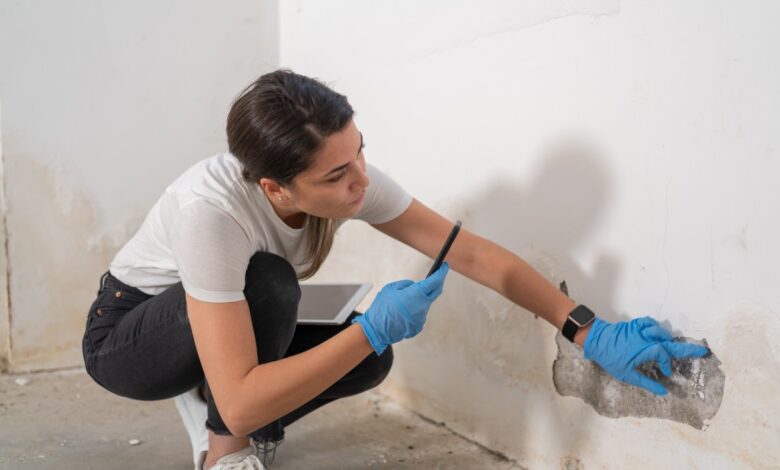
A conflict in a residential complex in Navarra escalated and ended unexpectedly with a court ruling awarding substantial compensation. The owner of several commercial properties on the ground floor faced persistent leaks that not only damaged the ceilings but also required costly repairs. The source of the problem was not within his property, but rather in a structure on the floor above—known as the “patio de luces”—which, according to the documents, was considered a common area of the building.
The situation was further complicated when one of the residents, without the consent of the others, installed a massive terrace in this shared space. During installation, the waterproofing layers were compromised, causing water to seep into the commercial properties below. Despite repeated requests by the affected owner to the property manager and neighbors, no action was taken to resolve the problem. Ultimately, the matter went to court, where it became clear that inaction by the entire community could have serious financial consequences.
Legal battle
Initially, the district court in Tudela sided with the community, ruling that responsibility lay solely with the resident who undertook the unauthorized construction. However, the appeals court—Audiencia Provincial de Navarra—overturned this decision. The judges emphasized that if a common area is used by an individual, it does not relieve all residents of their duty to maintain that space and prevent damage.
During the proceedings, it was revealed that the community was aware of the illegal construction and that leaks continued even after the initial incident. Nevertheless, no action was taken to address the consequences or prevent further damage. The court found that such indifference amounted to a violation of the law on the maintenance of common areas of the building.
Community responsibility
The court’s decision paid special attention to Article 10.1 of the Horizontal Property Law (Ley de Propiedad Horizontal), which obliges residents to keep the building and its common elements in proper condition. Ignoring obvious violations, especially when they have already caused damage, is regarded as negligence. The judges noted that even if the right to use a certain part of the building is assigned to one owner, any changes to the structure require the consent of all residents.
In this case, the absence of such consent and the subsequent inaction of the community were key factors in the decision against it. The court ordered the community to compensate the victim with €7,514.58 for material damage and to rectify the cause of the leaks at its own expense.
What to do in similar situations
Experts recommend: if you encounter a similar issue, don’t limit yourself to verbal complaints. It’s important to document all communications in writing—send an email, a registered letter, or even use the services of a notary. Insist that the issue be included on the agenda of the homeowners’ meeting and demand a technical assessment.
If there is no response, this can become a key argument in court. Be sure to attach photos, videos, expert reports, and all documents confirming repair expenses. The more evidence you have, the higher your chances of success in court.
Legal details
The court also referred to Article 1910 of the Spanish Civil Code (Código Civil), which states that responsibility for damage caused by water lies with the owners of the building’s common areas. In this case, the community not only knew about the problem but took no action to address it, which became the basis for awarding compensation.
Interestingly, the court allowed the community the right to file a recourse claim against the resident who independently installed the terrace. However, for the affected owner, liability rests with the homeowners’ association as a whole, not with the individual who carried out the unauthorized renovations.
In case you didn’t know, the Audiencia Provincial de Navarra is one of the region’s key judicial bodies, handling appeals in civil and criminal cases. Its rulings often set precedents for similar disputes across Spain. Issues involving the maintenance of common areas in buildings and residents’ responsibilities for their condition frequently become the focus of legal proceedings, especially in older residential complexes. In such cases, courts are increasingly siding with those affected, particularly when the community fails to act or ignores obvious problems.