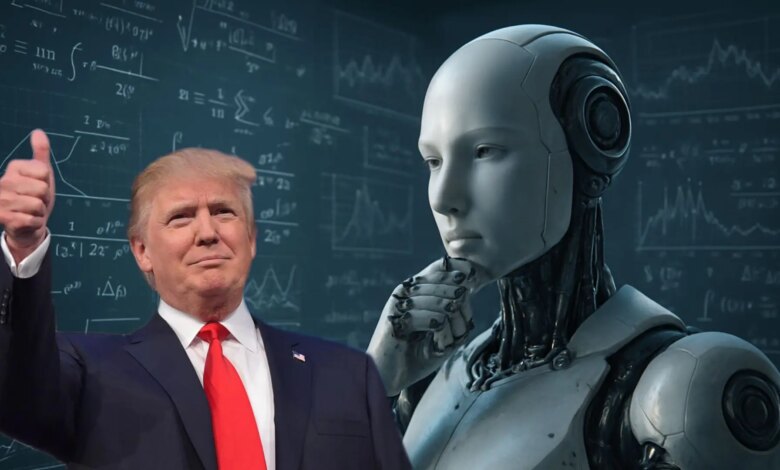
In the United States, artificial intelligence is no longer just a tool for data analysis—it now plays an active role in shaping the country’s future. The US Department of Transportation has tasked AI with developing proposals for new traffic regulations, sparking intense debate among experts and ordinary citizens. Decisions that once took months of coordination are now made in a matter of minutes. This approach promises to speed up bureaucratic processes but also raises concerns about the quality and safety of the new laws.
The Power of Algorithms
The American administration is openly using artificial intelligence to draft federal regulations. According to Department of Transportation advisor Gregory Zerzan, AI can generate text that is then finalized by civil servants. However, critics note that the priority is on speed rather than perfection. “We don’t need a perfect regulation, we need something that’s good enough,” is how Zerzan describes the agency’s position.
As a result, experts estimate that up to 90% of new traffic rules could be written by artificial intelligence. The human role is reduced to minimal editing and correcting mistakes, which often occur due to so-called AI ‘hallucinations’—when the system invents facts or makes logical errors.
Speed vs. Safety
The main argument of supporters of the new initiative is significant time savings. Previously, preparing a single regulatory document could take months or even years, but now a draft can be generated in just 20 minutes. For officials, this means the ability to respond more quickly to changes in the transport sector and to implement new standards promptly.
However, this approach is raising concerns among road safety experts. They fear that hasty decisions based on automated algorithms could lead to an increase in accidents and legal issues. Citizens are dissatisfied that their safety on the roads now depends on machine intelligence rather than the experience and common sense of professionals.
Public outcry
The introduction of AI into government administration has become one of the most debated topics in American society. Social media users and expert community representatives are demanding transparency and explanations: who will be held responsible for mistakes made by artificial intelligence? How will disputes be resolved if the law is written by a program instead of a person?
There is particular dissatisfaction with the fact that decisions are made behind closed doors and citizens only learn about them after the fact. Many fear that such practices could erode trust in government institutions and fuel protest sentiment.
Technology and politics
The issue of using AI in lawmaking has taken on a political dimension. The Donald Trump administration is actively promoting government digitalization, despite criticism from the opposition and some experts. Proponents of reform believe automation will reduce the burden on officials and increase the efficiency of government agencies.
Opponents point to the risks: lack of human oversight, possible errors in interpreting laws, and threats to citizens’ rights. Some compare AI to an inexperienced intern entrusted with too much responsibility. In a situation where technology is evolving faster than legislation, such experiments could have unpredictable consequences.
Gregory Zerzan is one of the key figures in integrating artificial intelligence into American lawmaking. As an adviser to the Department of Transportation, he advocates for speeding up and automating bureaucratic procedures, believing that AI can make the government apparatus more efficient. His approach is based on the idea that modern technology should serve society’s interests, even if this involves certain risks. Zerzan is known for his pragmatism and willingness to take bold steps, making him one of the most talked-about personalities in the field of digital reform in the US.