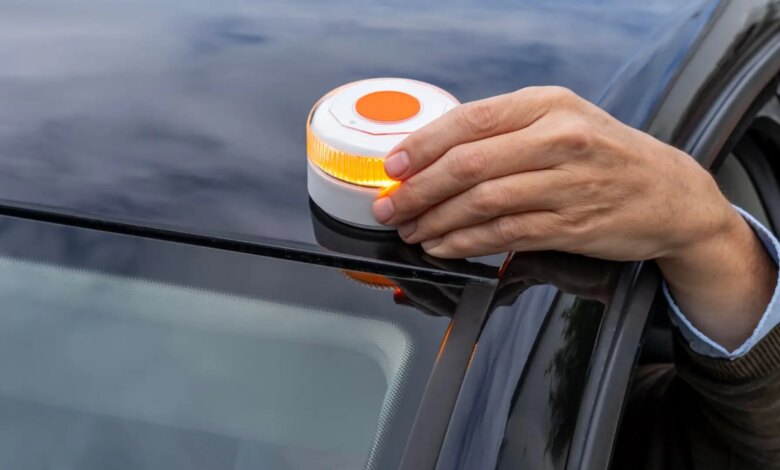
A new scandal is erupting in Spain over V-16 emergency beacons, which are set to replace traditional roadside triangles. The organization Facua-Consumidores en Acción has delivered sharp criticism against the Directorate-General for Traffic (DGT), accusing the agency of turning a blind eye to the widespread sale of uncertified devices. According to Facua, this situation is leading thousands of drivers to buy products that will soon become useless.
The issue is that V-16 beacons labeled ‘Homologada por la DGT’ have appeared on the market, but many of them do not meet the new requirements that take effect in January 2026. The main complaint is the lack of a built-in communication system with the DGT, which will render these devices invalid after that date. Despite this, manufacturers and sellers continue to assure buyers of the product’s full legality.
Facua insists that if the packaging or advertising for the beacon does not state that it will become invalid after 2026 due to the lack of connectivity, buyers have the right to demand a refund. The organization urges everyone who has purchased such devices to file complaints not only with sellers but also with government authorities to prompt investigations and potential sanctions against unscrupulous companies.
Legal aspects
Facua experts refer to the provisions of the law on unfair competition, which states that any information likely to mislead consumers about a product’s characteristics is considered a violation. In this case, it concerns the fact that buyers are not receiving complete and accurate information about the validity period and technical capabilities of V-16 beacons.
Furthermore, the organization reminds that consumer protection laws require sellers to provide comprehensive information about their products. According to Facua, not disclosing that the beacons cannot be used after 2026 is a direct violation of these regulations. As a result, consumers risk financial losses by purchasing devices that will soon become obsolete.
Facua also points out that manufacturers and sellers who conceal important details may be held liable not only under consumer protection laws but also face administrative penalties. The organization has already appealed to the Ministry of Consumer Affairs requesting inspections and, if necessary, the imposition of fines on violators.
Market response
The situation with V-16 beacons has sparked a strong reaction among motorists. Many have already discovered that the purchased devices do not meet new standards, despite reassurances from sellers. Dozens of complaints are emerging on social media from dissatisfied buyers demanding explanations and refunds.
In response to growing discontent, some stores have begun offering refunds for uncertified beacons. However, far from all retailers are willing to accommodate customers, citing the lack of official clarification from the DGT. This only fuels mistrust and increases tension in the market.
Facua emphasizes that responsibility for the situation lies not only with manufacturers and sellers, but also with the DGT itself. According to the organization, the agency should have informed citizens in advance about the new requirements and monitored the use of its logo on products that do not meet standards.
DGT’s position
The Directorate General of Traffic has so far refrained from making strong comments regarding Facua’s accusations. The agency has limited itself to recommending that users check the list of approved devices on its official website. However, Facua representatives consider these measures insufficient and are demanding more proactive steps from government authorities.
The organization is convinced that unless the situation changes, the number of deceived buyers will only grow. Facua urges everyone who has purchased a V-16 beacon without connectivity not to stand aside and to seek justice through official channels. According to consumer rights advocates, this is the only way to stop the spread of substandard products and protect the interests of motorists.
In the coming months, the issue of V-16 emergency beacons is expected to remain in the public spotlight. Consumers, experts, and industry representatives continue to discuss possible solutions as well as the need for stricter regulation of this market.
If you weren’t aware, Facua-Consumidores en Acción is one of the largest Spanish consumer rights organizations. Founded in 1981, it has been actively addressing issues related to the quality control of goods and services, as well as defending citizens’ interests in disputes with companies and government bodies. Facua regularly launches public campaigns, files class-action lawsuits, and provides legal support to affected consumers.