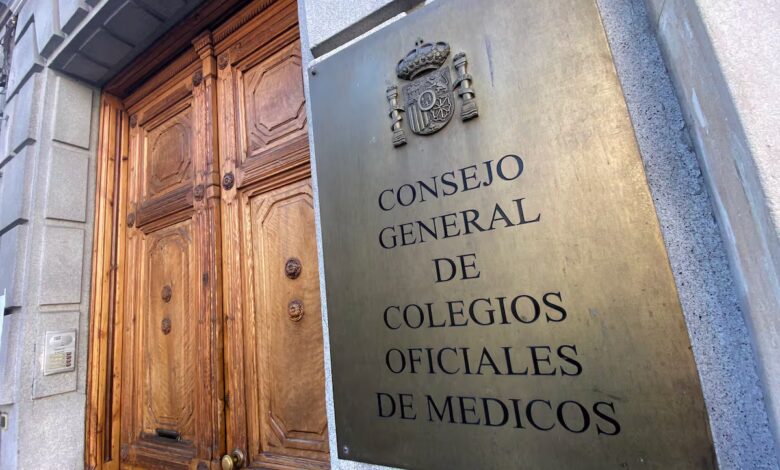
A major scandal has erupted in Spain’s capital, centering on the leadership of the Madrid Medical Association (Icomem). Judicial authorities have launched an investigation into six members of the interim board, including President Manuel Martínez-Sellés. They are suspected of possible abuse of power—specifically, a decision that led to the removal of the association’s electoral commission. This March 2025 decision sparked outrage within the medical community and cast doubt on the legitimacy of the Association’s management.
The dispute began after the electoral commission’s authority was revoked following the December 2024 elections, in which Tomás Merina, backed by the Amyts union, claimed victory. His team secured nearly half the votes, yet he was never permitted to take office. Instead, the former president stayed in power despite losing at the polls. For the Madrid Medical Association, a situation where the defeated candidate refuses to step down is unprecedented.
Power struggle
The new president was expected to take office in January 2025, but the ceremony never took place. The complaints committee within the Association declared that Merina did not meet the candidacy requirements, claiming he does not practice medicine. Merina strongly denied these allegations and took the matter to court, but the court declined to take immediate action, leaving the situation unresolved.
As a result, Martínez-Selles continued to act as president despite the expiration of his term. The organization’s charter did not provide a mechanism for resolving such crises, which only deepened the conflict. Discontent was growing within the medical community, and the atmosphere was becoming increasingly tense.
Legal showdown
Alongside the dispute over Merina’s election legitimacy, a new legal battle began. In his complaint, Merina argued that the removal of the electoral commission was an attempt to eliminate the only independent body capable of guaranteeing a fair transfer of power. In his view, this allowed the losing side to cling to power despite the will of the majority.
The complaint highlights that no internal regulations granted the interim leadership the right to dissolve the electoral commission, especially given that their own authority was limited. The judge handling the case found that the actions of the management may constitute a criminal offense and instructed the prosecutor’s office to conduct a further investigation.
Secret decisions
Marina’s supporters insist that the decision to dissolve the commission was made under complete opacity. They repeatedly sought clarification but received no meaningful response. Only after appealing to the Madrid Transparency Portal did they finally receive confirmation of the respective board decision, and even then with significant delay.
The document they managed to obtain states that due to ongoing legal proceedings, the activities of the electoral commission are suspended until a final ruling is issued. According to Marina, this is not merely a bureaucratic formality but an attack on the foundations of internal democracy within the Colegio and a violation of the rights of all its members.
Accusations and key figures
In Marina’s complaint, the actions of the interim leadership are described as institutional fraud and an attempt to usurp power. He believes such conduct undermines trust in the organization and creates a dangerous precedent for the entire professional community.
Among the suspects are not only the president, but also other key figures: vice-secretary Javier Martín, treasurer José Antonio Valero, as well as board members María Esther Cordón, Rafael Carlos Ortega, and Santiago Sevilla. All face lengthy disqualification if found guilty.
Potential consequences for the medical sector
The scandal surrounding the Madrid Medical College has now reached beyond the professional community. Questions about transparency, the integrity of the elections, and the accountability of the leadership are being discussed not only among healthcare professionals but also in society at large. The situation highlights how even such respected institutions are vulnerable to internal conflict and power struggles.
At a time when trust in medical organizations is particularly crucial, stories like this one are alarming. Now all eyes are on the investigation to see how it unfolds and what consequences it will have for the future of the Madrid Medical College.